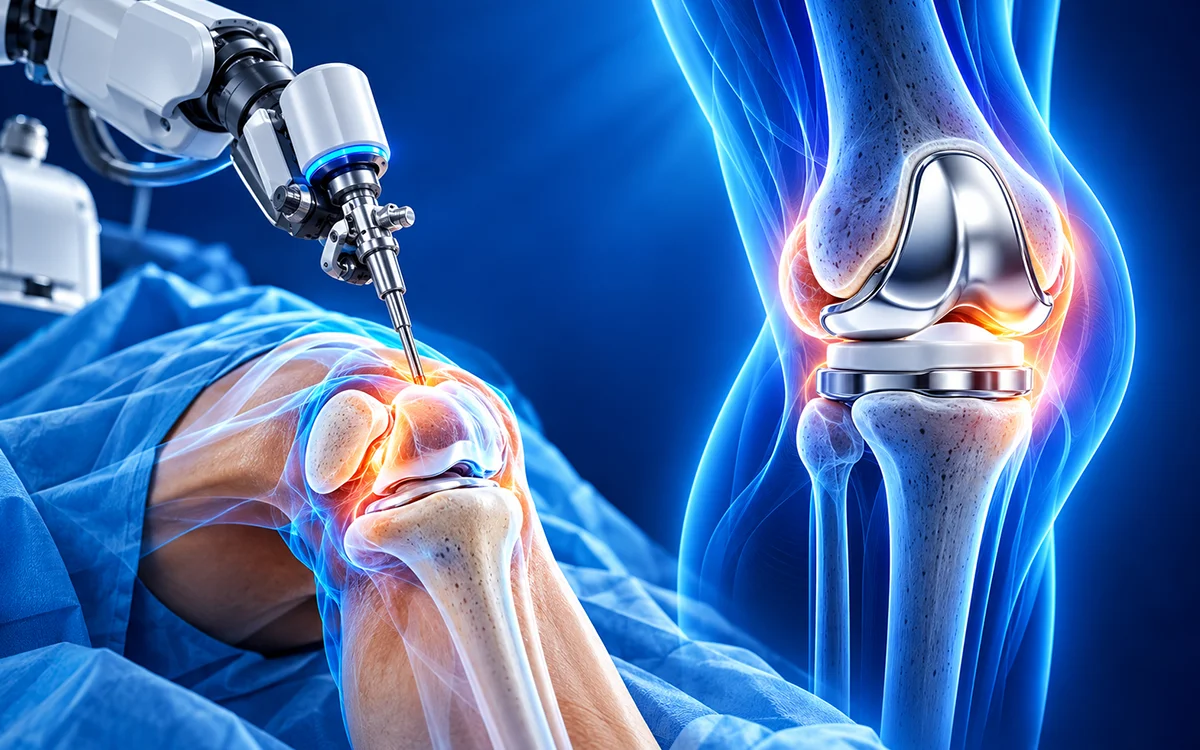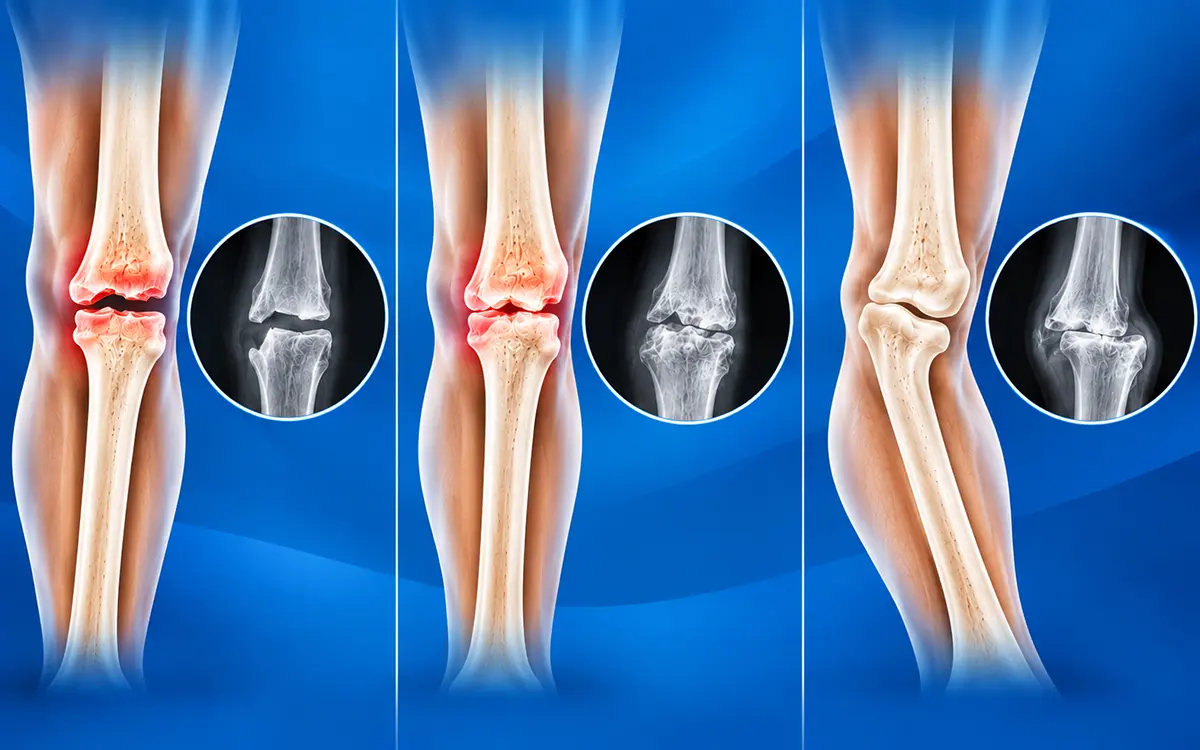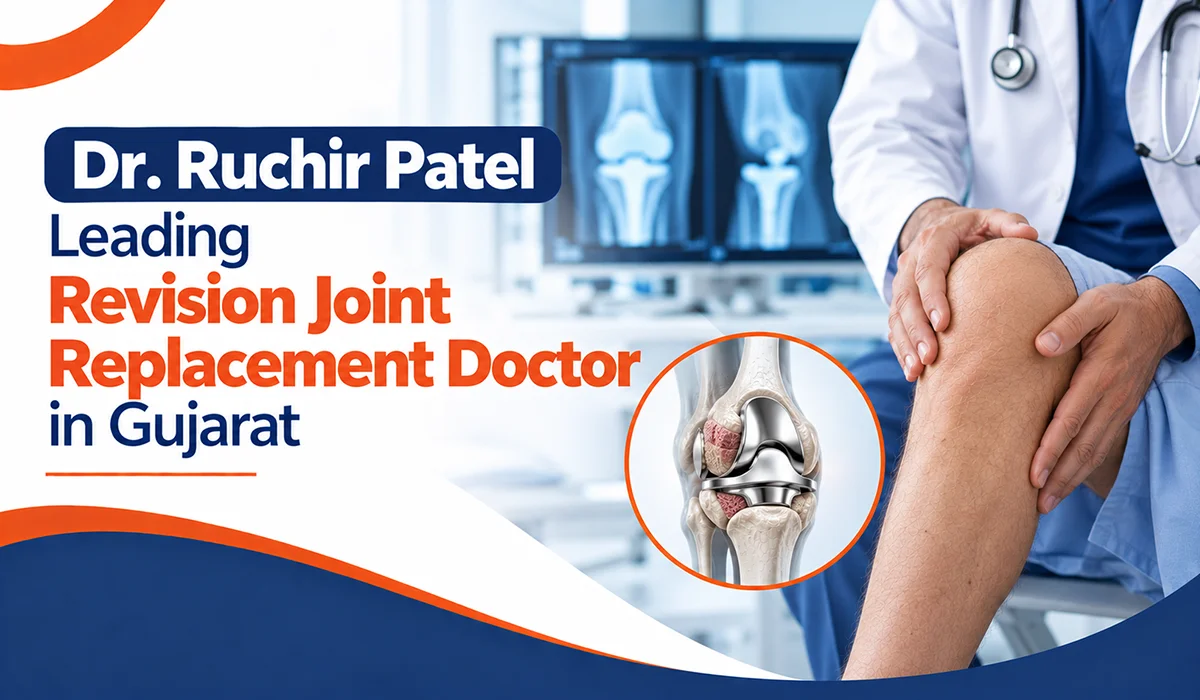
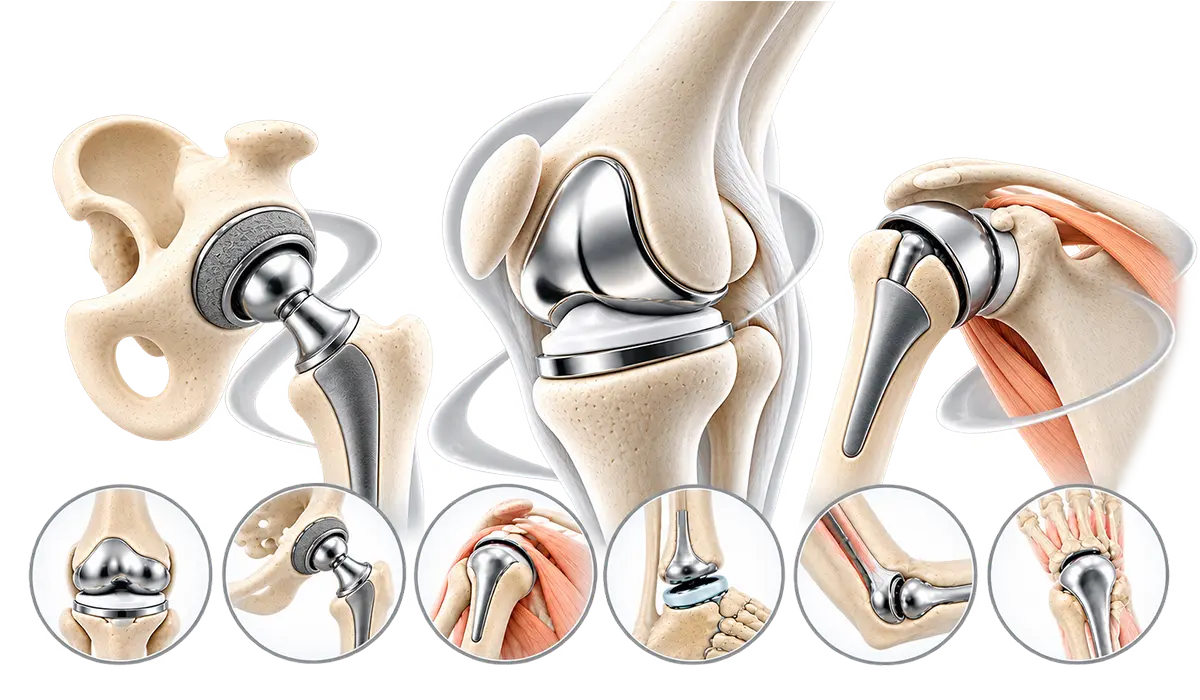
Also called revision arthroplasty, joint replacement is often more complicated than the initial joint replacement & the surgery predictable results.
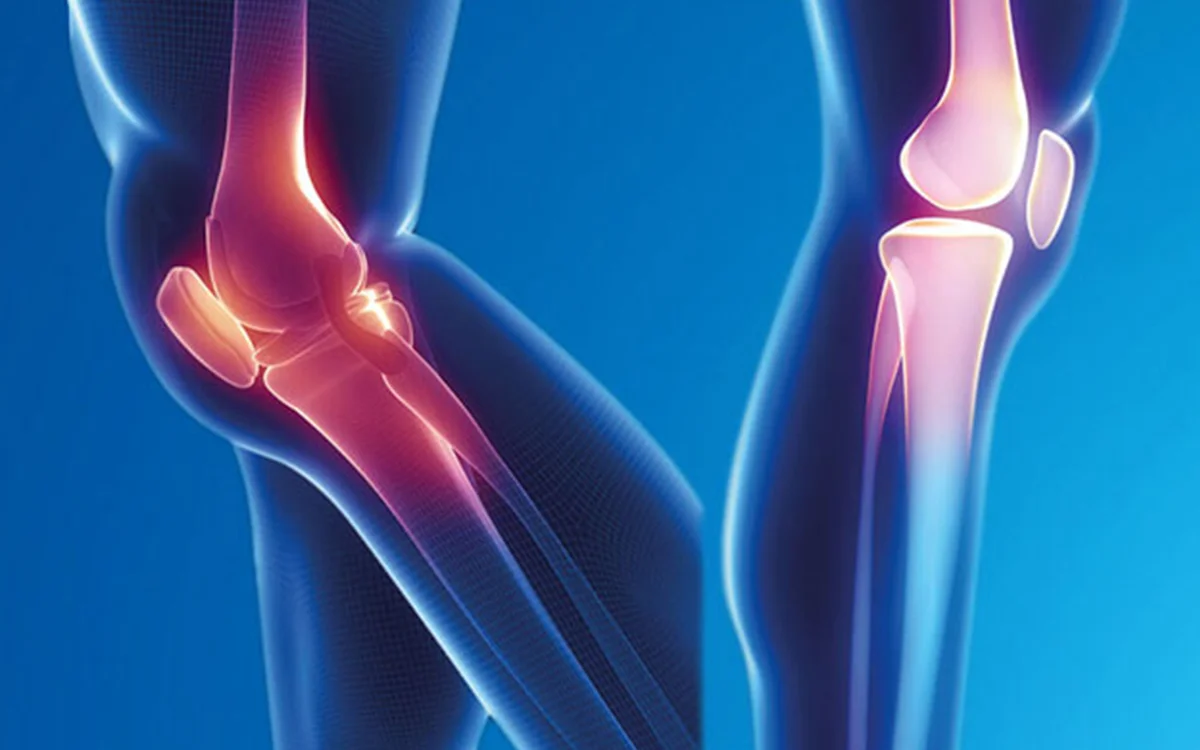
Also known as knee arthroplasty, is a surgical procedure to replace the weight-bearing surfaces of the knee joint to relieve pain & disability.
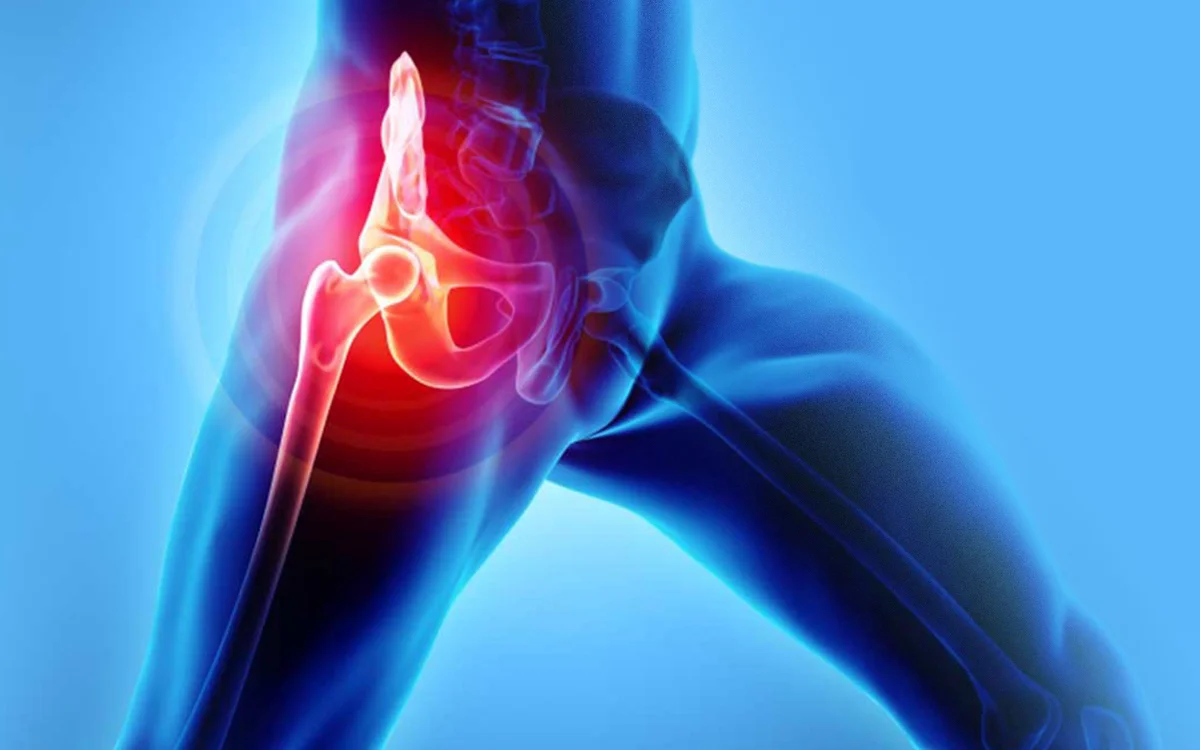
Hip replacement is a surgical procedure in which the hip joint is replaced by a prosthetic implant, that is, a hip prosthesis & surgery can be performed.
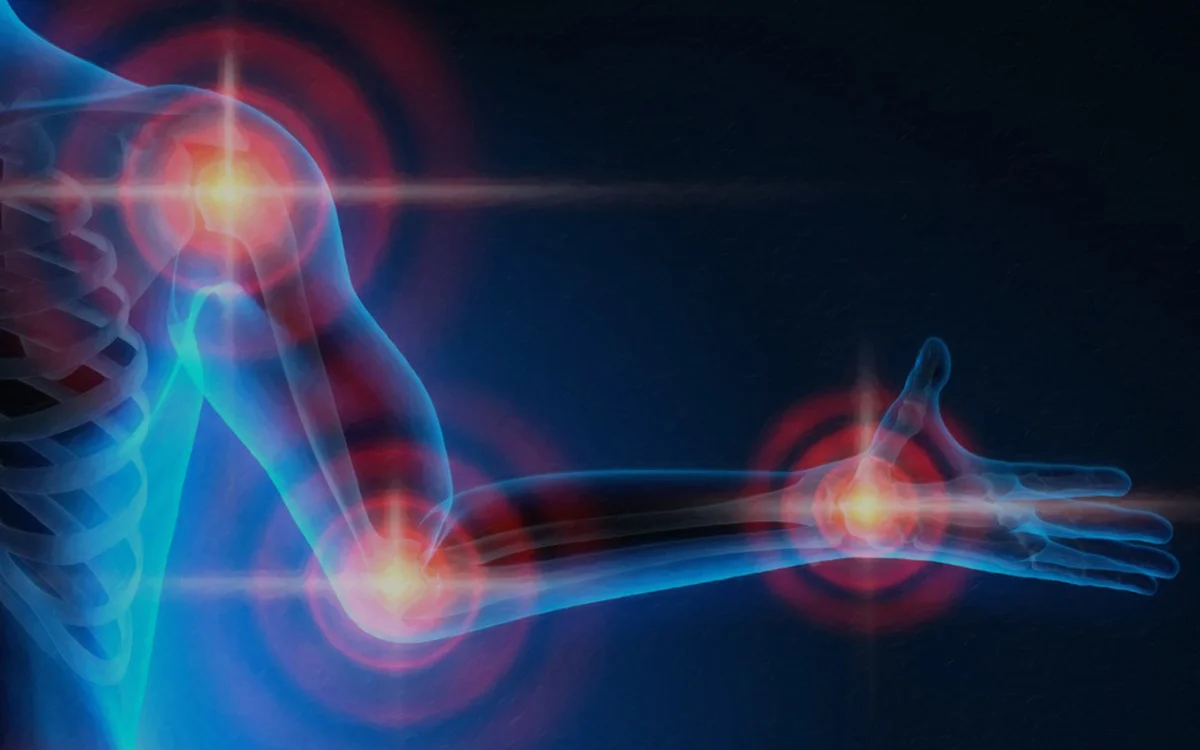
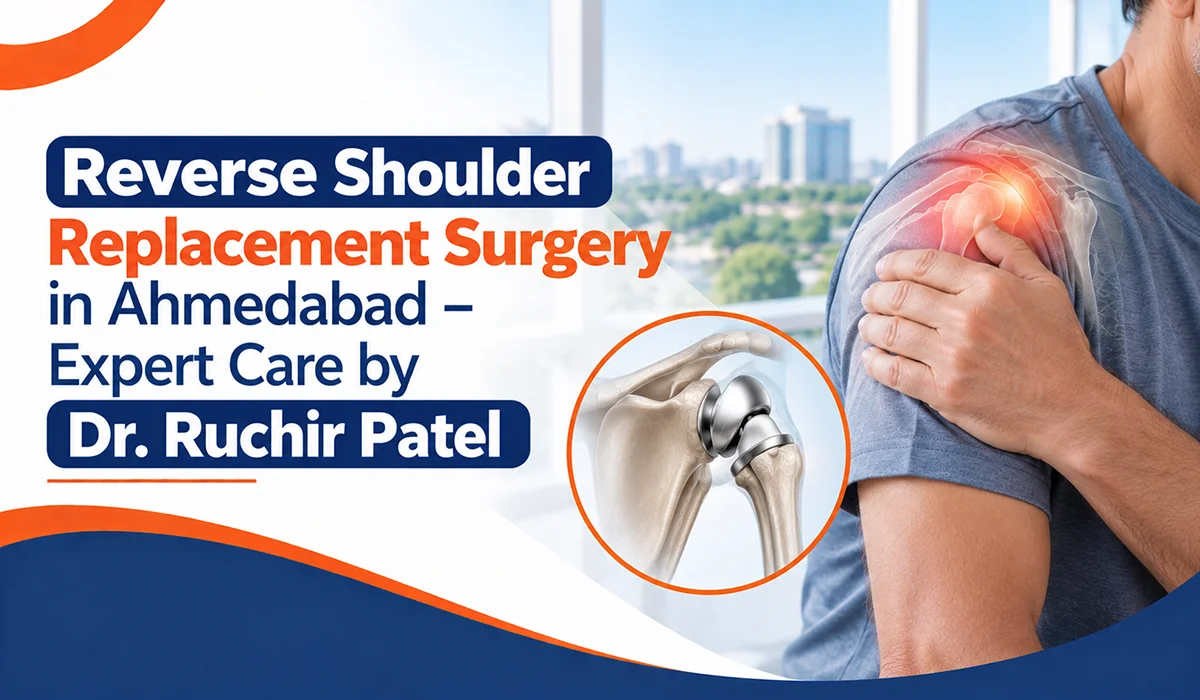
Both sides of the joint are replaced. The upper arm & forearm components are made of both metal & plastic.
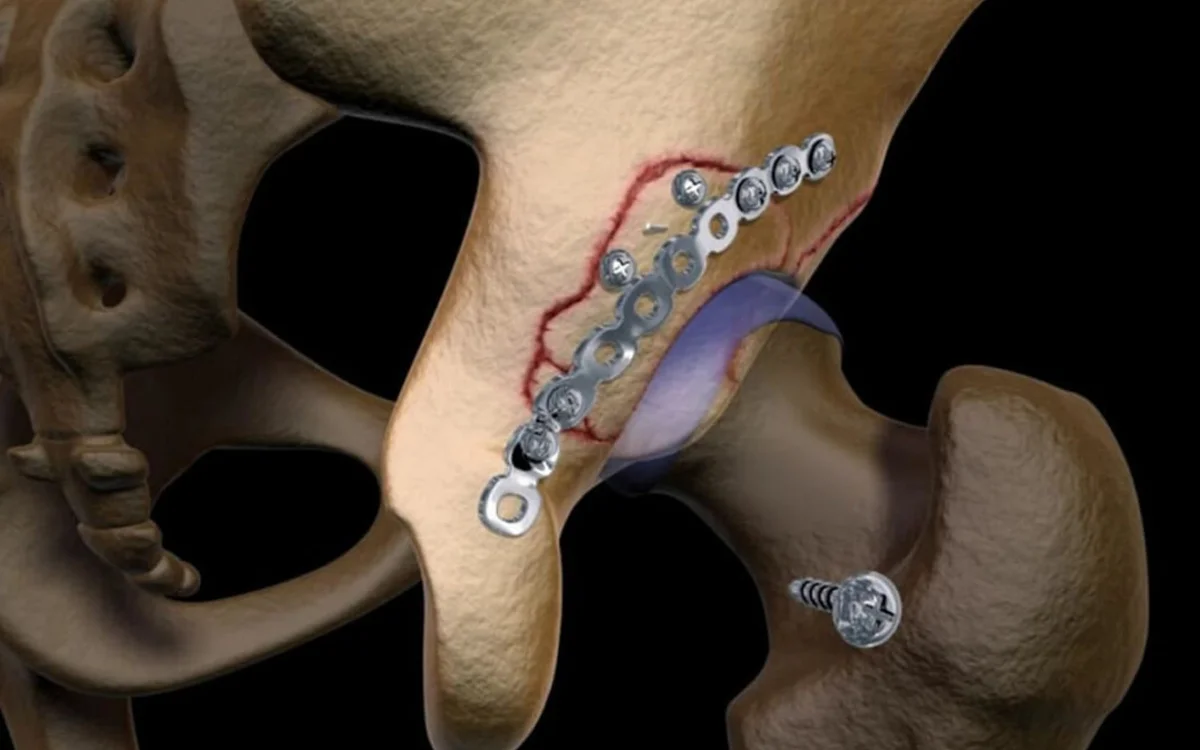
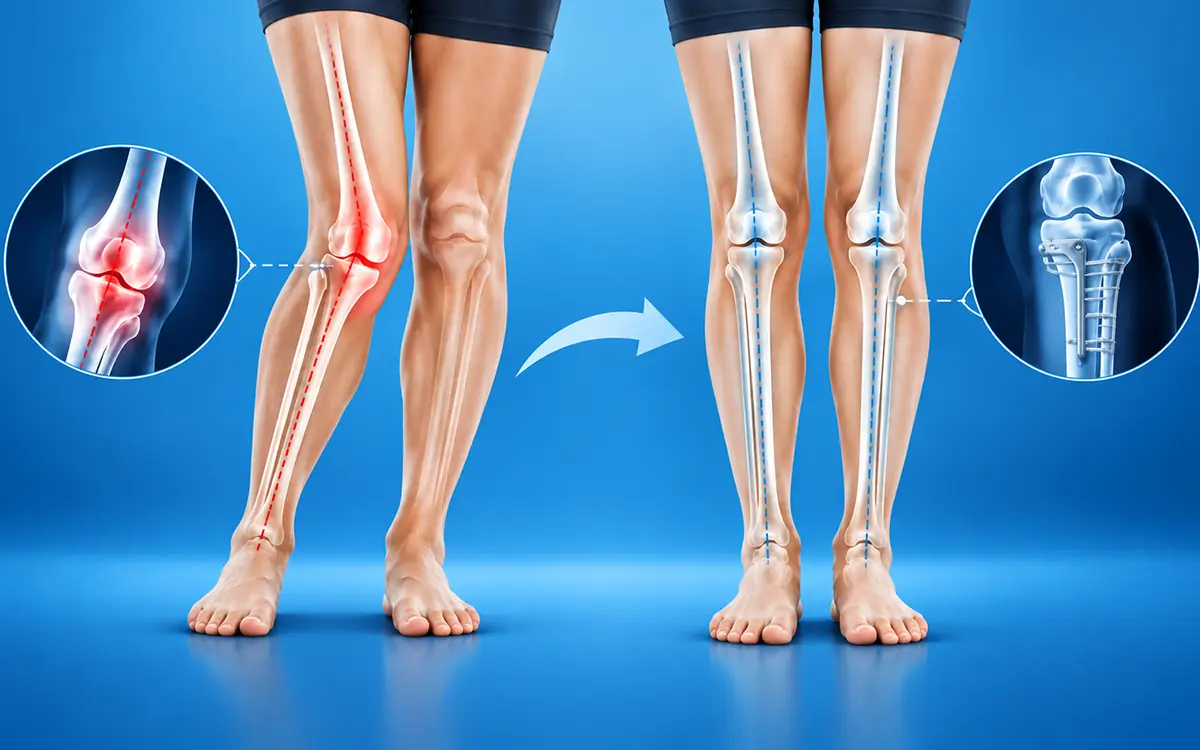
The bones as precisely as possible to prevent the development of post-injury-related problems, especially arthritis.
Bone and joint infections, also known as musculoskeletal infections, occur most commonly in toddlers and young children. They often occur in the bones.
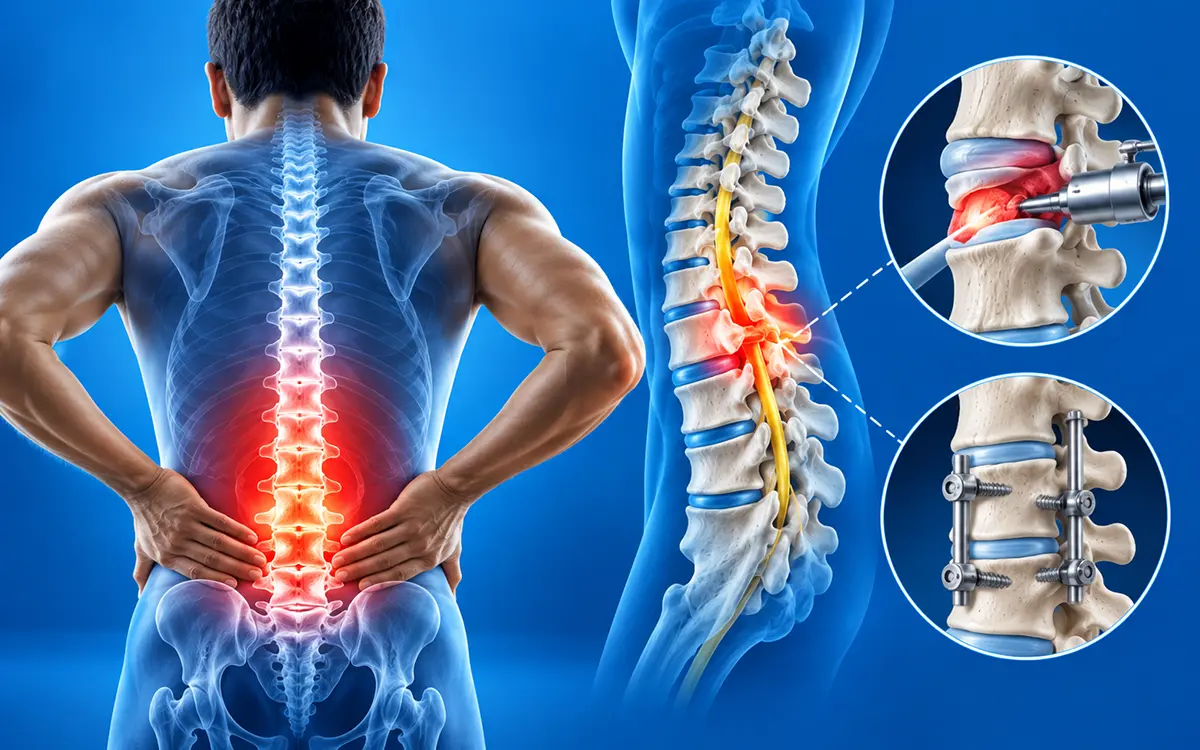
Include arthroscopic surgeries, spine surgeries, non-union, malunion, deformity correction surgeries, bone tumor surgeries, & pediatric ortho care.
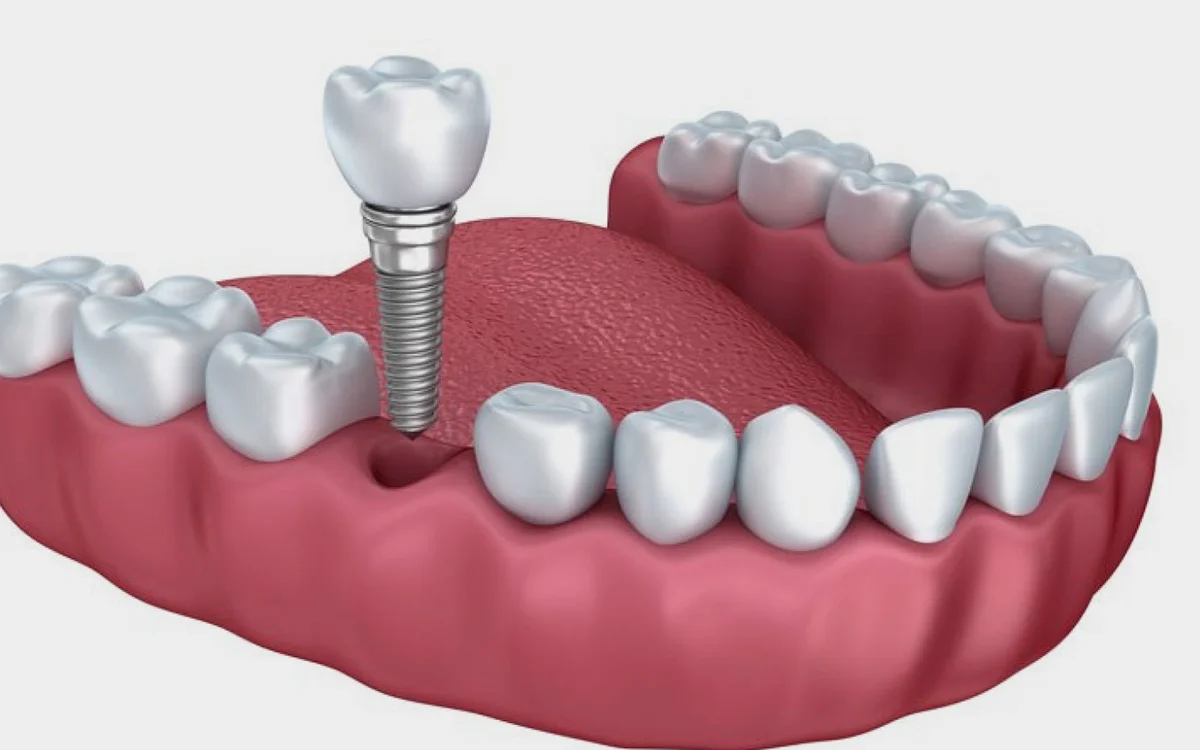
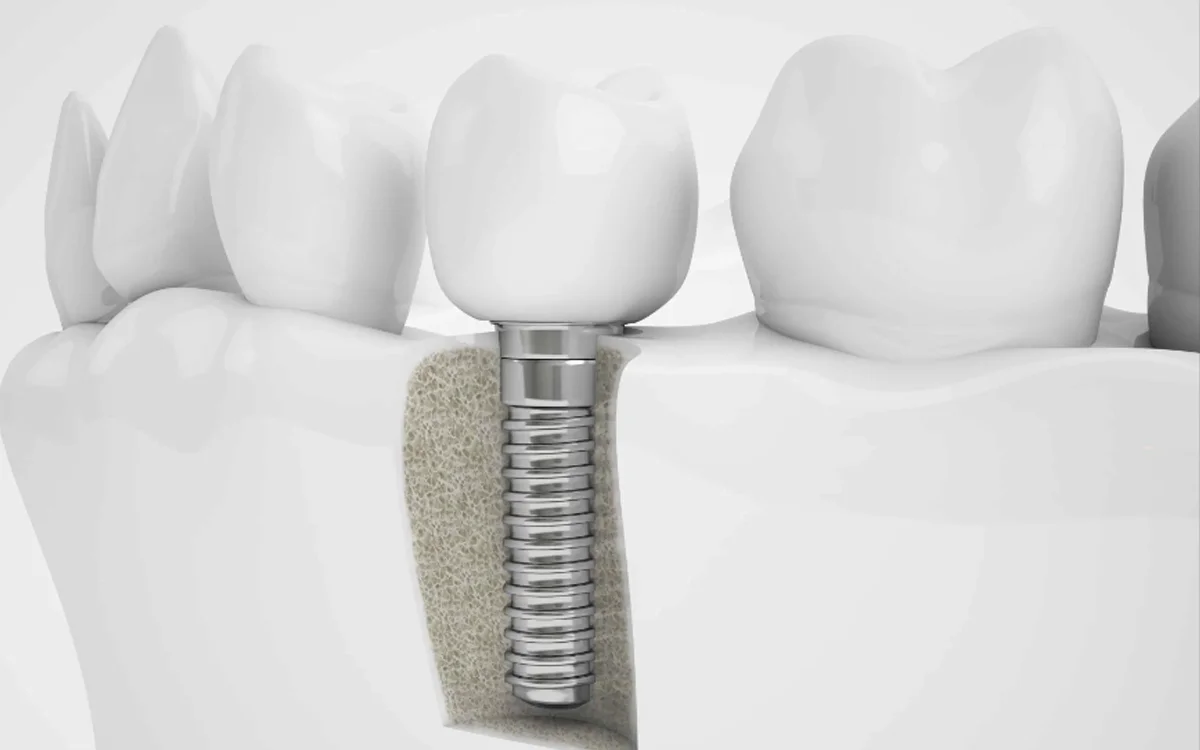
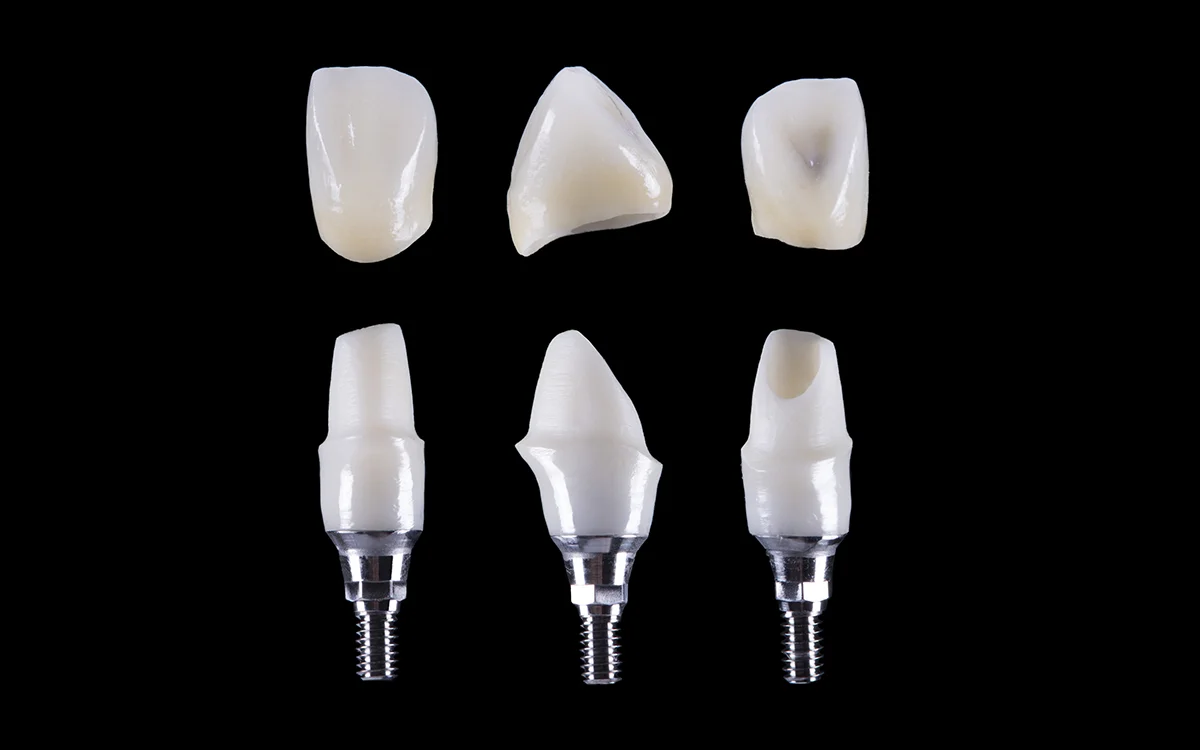
A dental implant is a surgical component that interfaces with the bone of the jaw or skull to support a dental prosthesis such as a crown, bridge, denture, facial prosthesis.
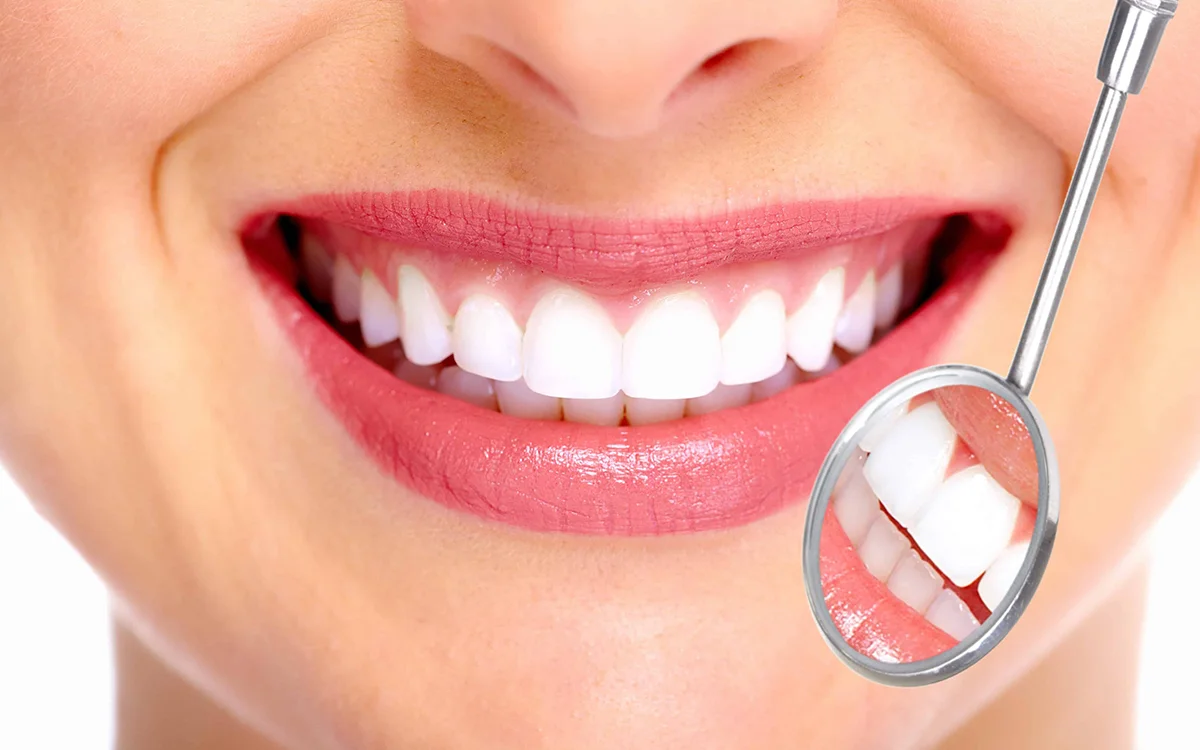
Smile design is the process the dentist goes through to plan and visualize a patient’s desired smile. Sometimes it’s simply correcting some of the teeth imperfections.
Root canal treatment is a treatment sequence for the infected pulp of a tooth that is intended to result in the elimination of infection and the protection of the decontaminated tooth.
Metal-ceramic dental crowns are the most commonly used crowns in the modern era. In comparison to plastic or metal crowns, ceramic crowns are much more durable and aesthetic.
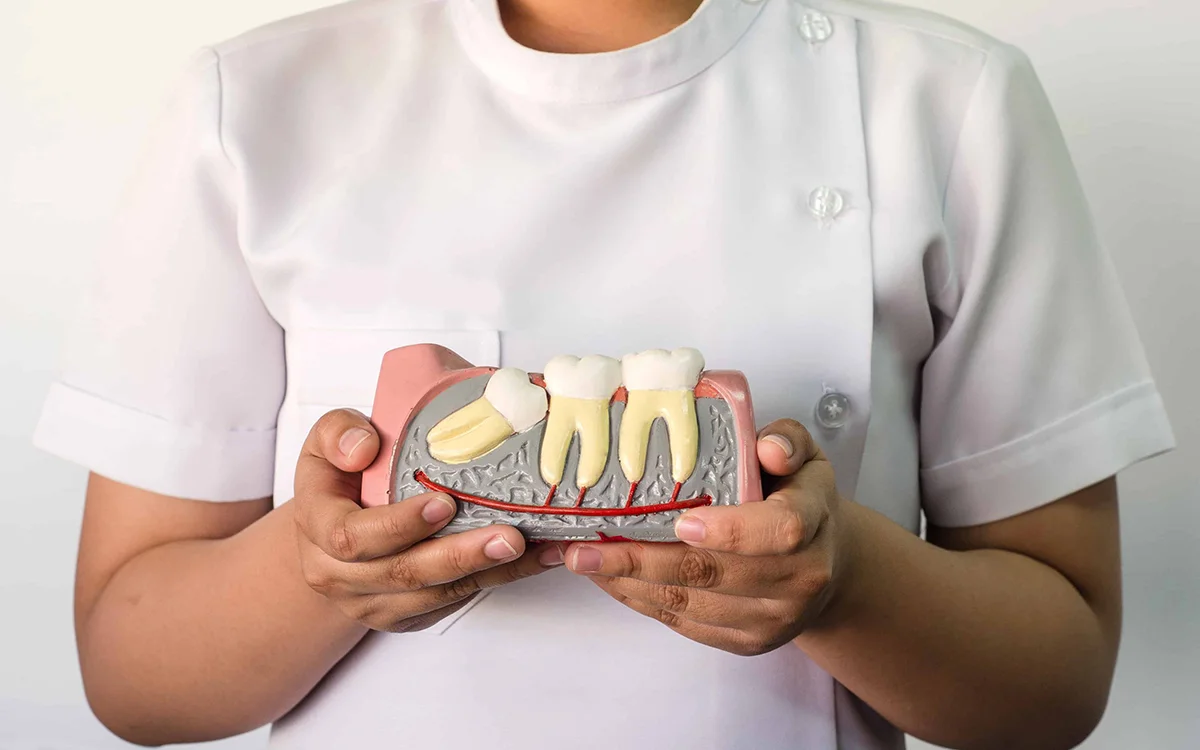
Wisdom tooth extraction is a surgical procedure to remove one or more wisdom teeth the four permanent adult teeth located at the back corners of your mouth on the top and bottom.
Flap surgery is a technique in plastic and reconstructive surgery where any type of tissue is lifted from a donor site and moved to a recipient site with an intact blood supply.
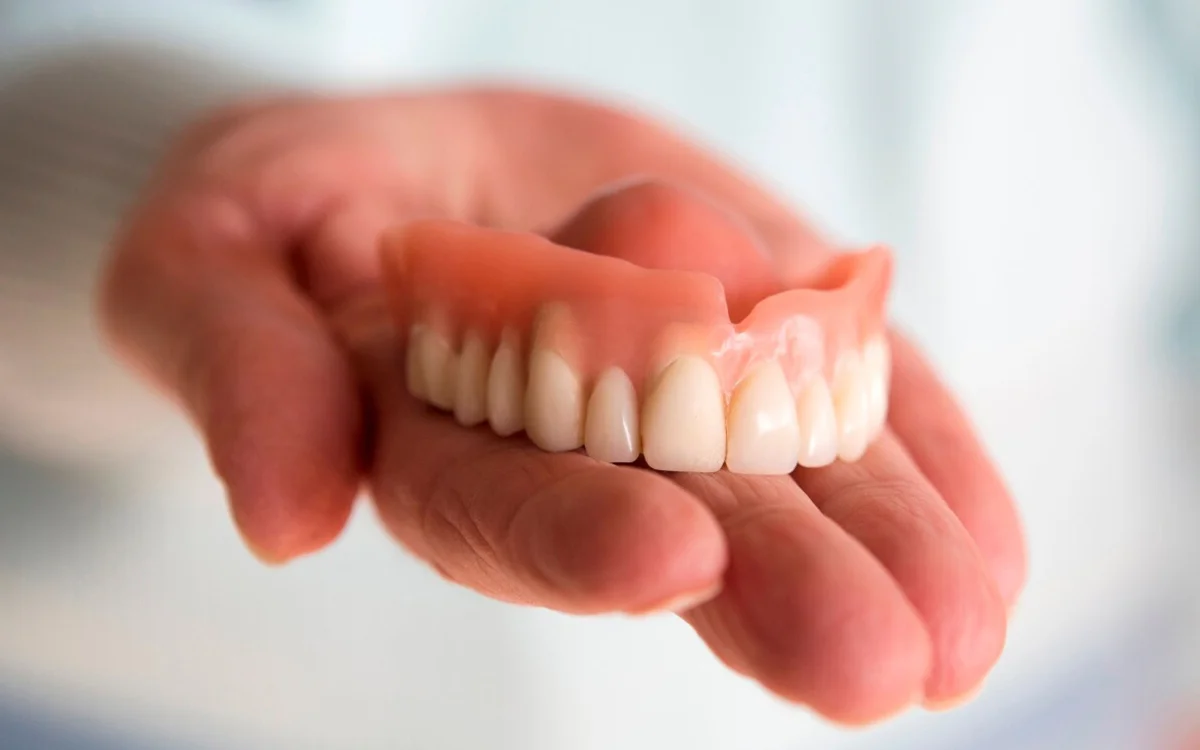
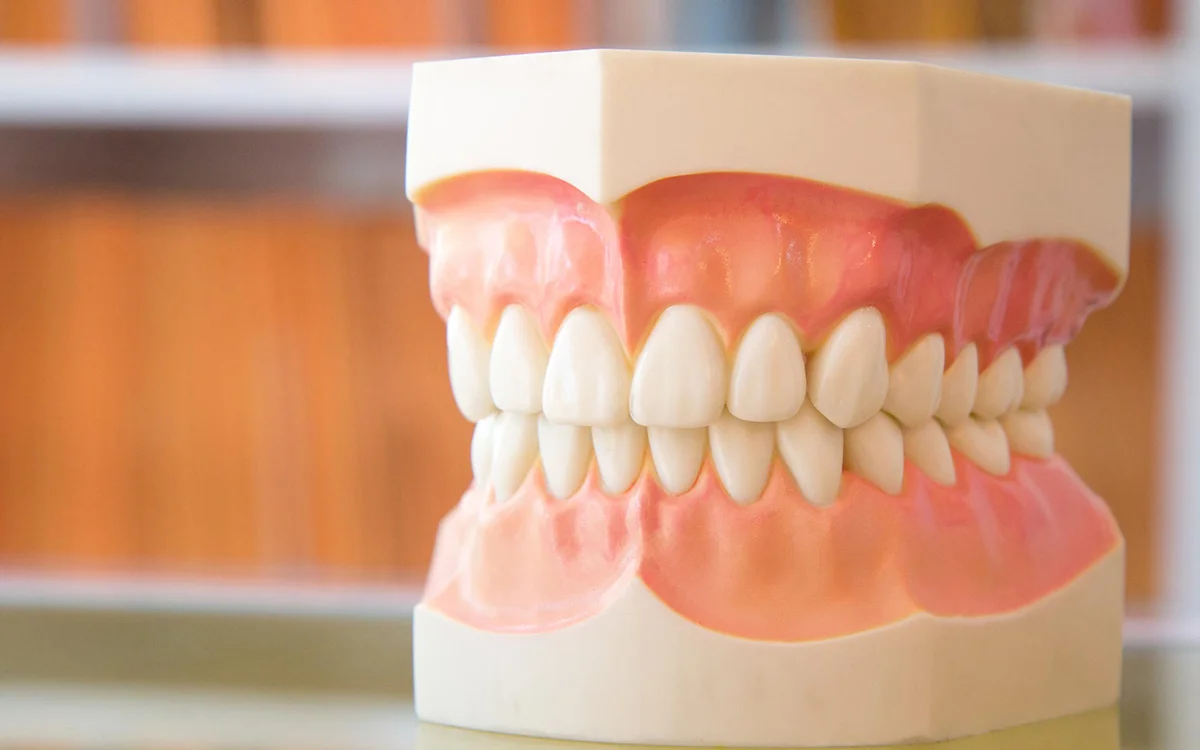
Dentures are prosthetic devices constructed to replace missing teeth, & are supported by the surrounding soft and hard tissues of the oral cavity. Conventional dentures are removable.
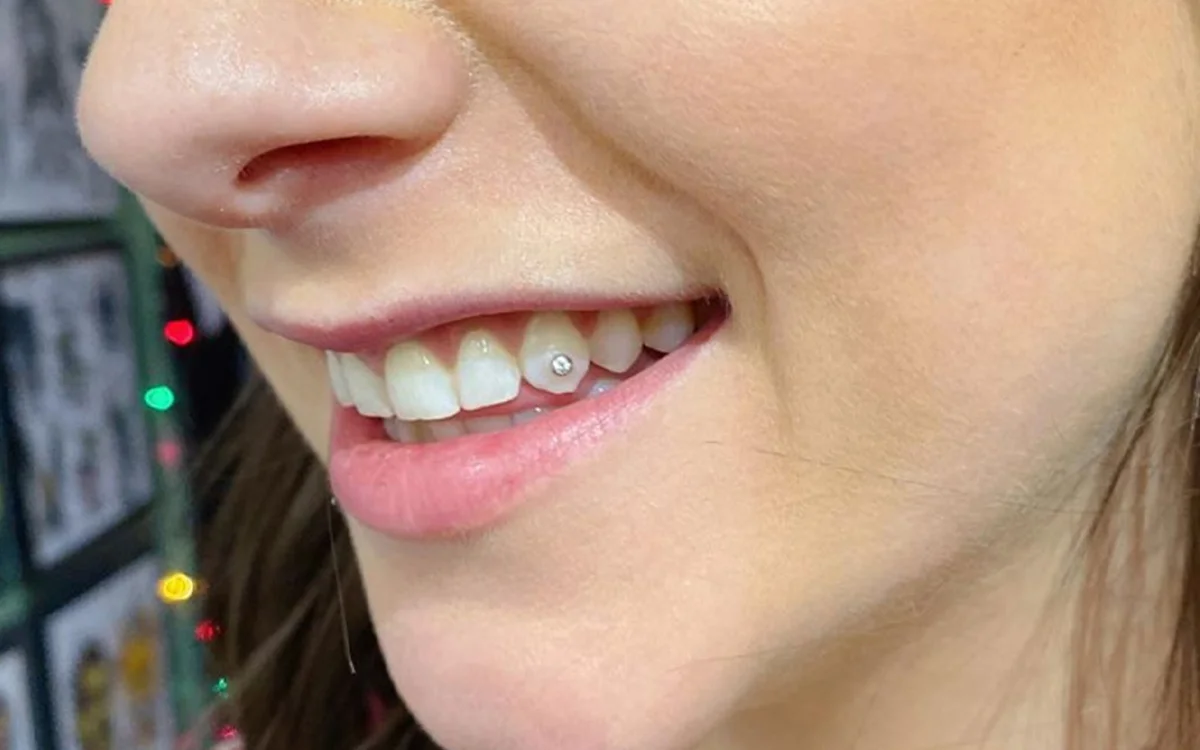
Tooth jewellery, a cosmetic dental procedure where a diamond or a stone is attached to the teeth is gaining utmost importance with increasing awareness among people.
Pediatric dentists are dedicated to the oral health of children from infancy through the teen years. They have the experience to care for a child’s teeth, gums, and mouth.
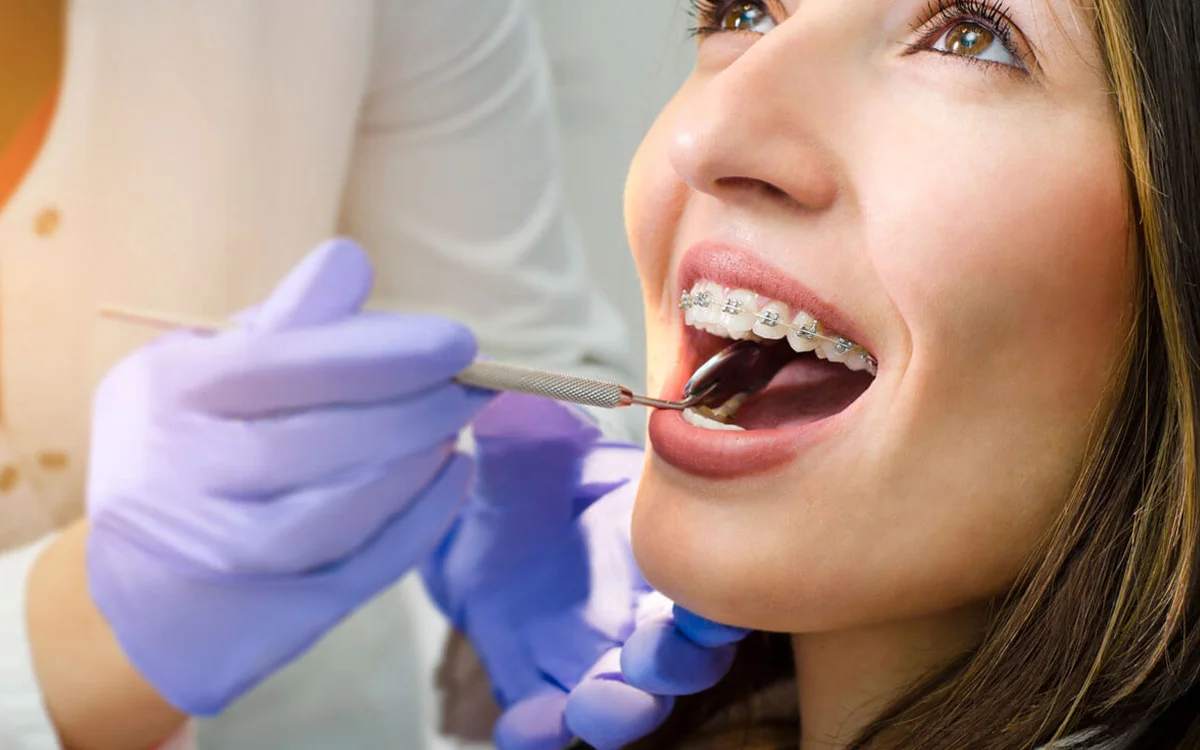
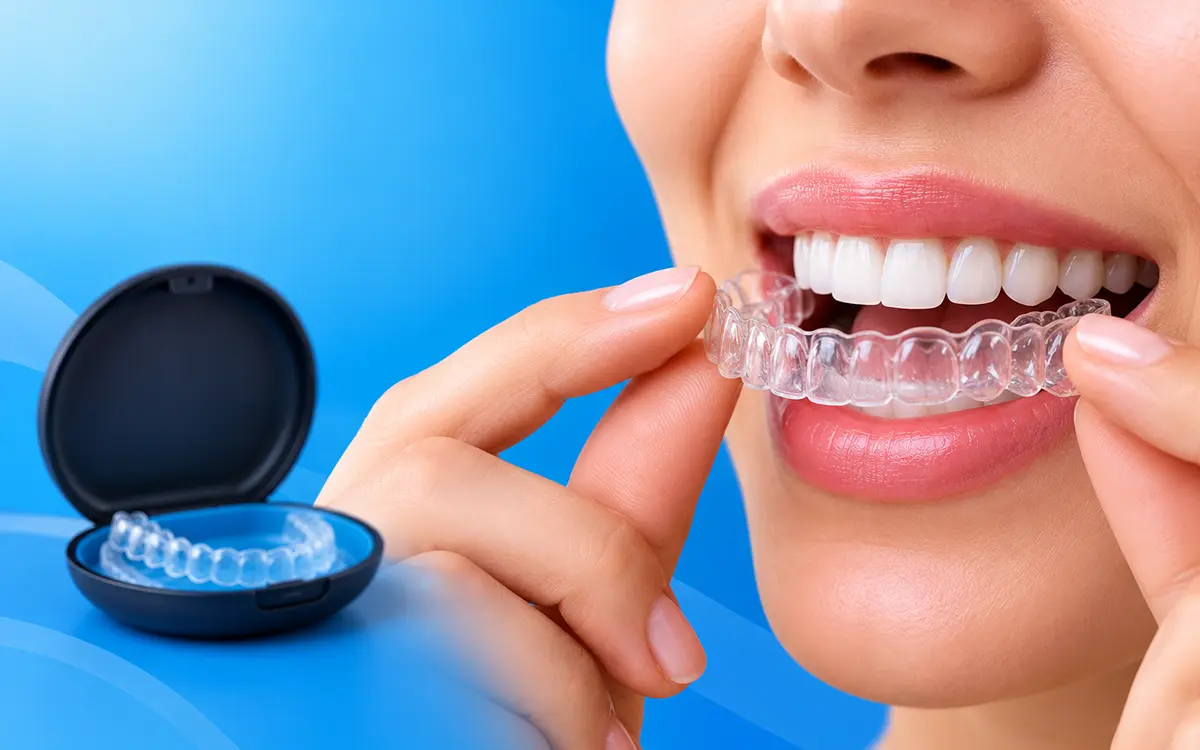
Orthodontic treatment is a way of straightening or moving teeth, to improve the appearance of the teeth and how they work. It can also help to look after the long-term health

Dr. Ruchir Patel did knee replacement surgery for both knee joints for one of my relatives. Got very good results. She is pain-free now. Ortho-D hospital is with very well equipped, spacious & well parking space. Thanks to Dr. Ruchir Patel & Ortho D Hospital team.
Awesome experience with both the doctors, well experienced and talented. Have treated my husband twice and got very successful results, will recommend everyone to treat with Dr. Ruchir for any ortho-related treatment, and for dental Dr. Urvi is best!!
Amazing experience, The services that I receive from Dr. Ruchir Patel and Dr. Urvi Patel are excellent. Doctors and the staff are friendly and ensure that I am properly informed about my health and care. I would have no qualms in recommending them to friendly.
Excellent Hospital. Doctor was available right away upon our arrival. They addressed all our needs. My grand father had knee replacement done and he is very happy. I would strongly recommend to go to this hospital for any orthopedic or dental work need..
Fantastic hospital with supporting staff and well experienced doctors. hospital is well managed and taking care of patients like our family. Perfect advice and perfect treatment people can get here. Hospital is clean and perfectly located.
Excellent doctor with an excellent team. Also, the rate is too reasonable. Dr has mastery in knee replacement surgery. Also, the nursing staff is cooperative. The cleanliness of the hospital is the cherry on the cake.
One of the Best Orthopaedic Hospital For
Joint Knee Hip Replacement Surgery, Trauma & Dental Care
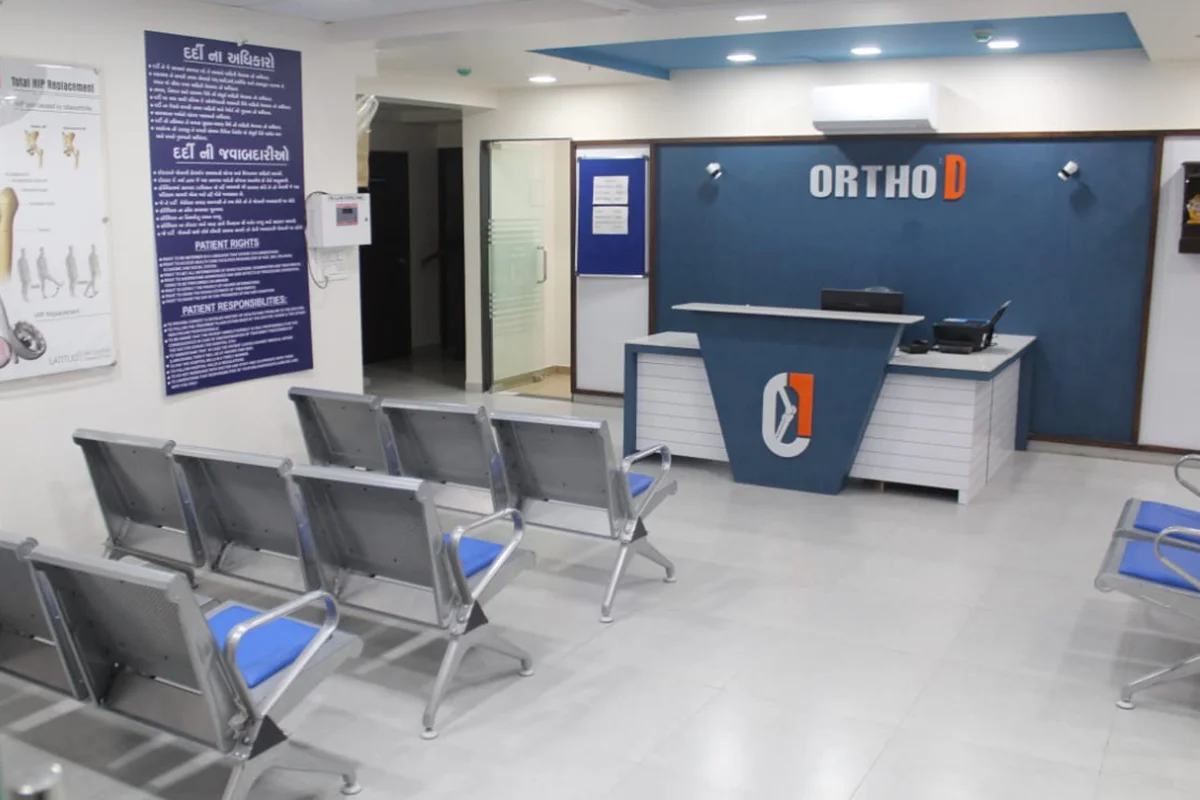
ORTHOD HOSPITAL is located in Memnagar, Ahmedabad with fully modular class 100 operation theatre.
We provides 24x7 emergency care for all types of accidental injuries.
Here is a full look at each option, how they compare, and how to know which one fits your situation.
What is a dental onlay?
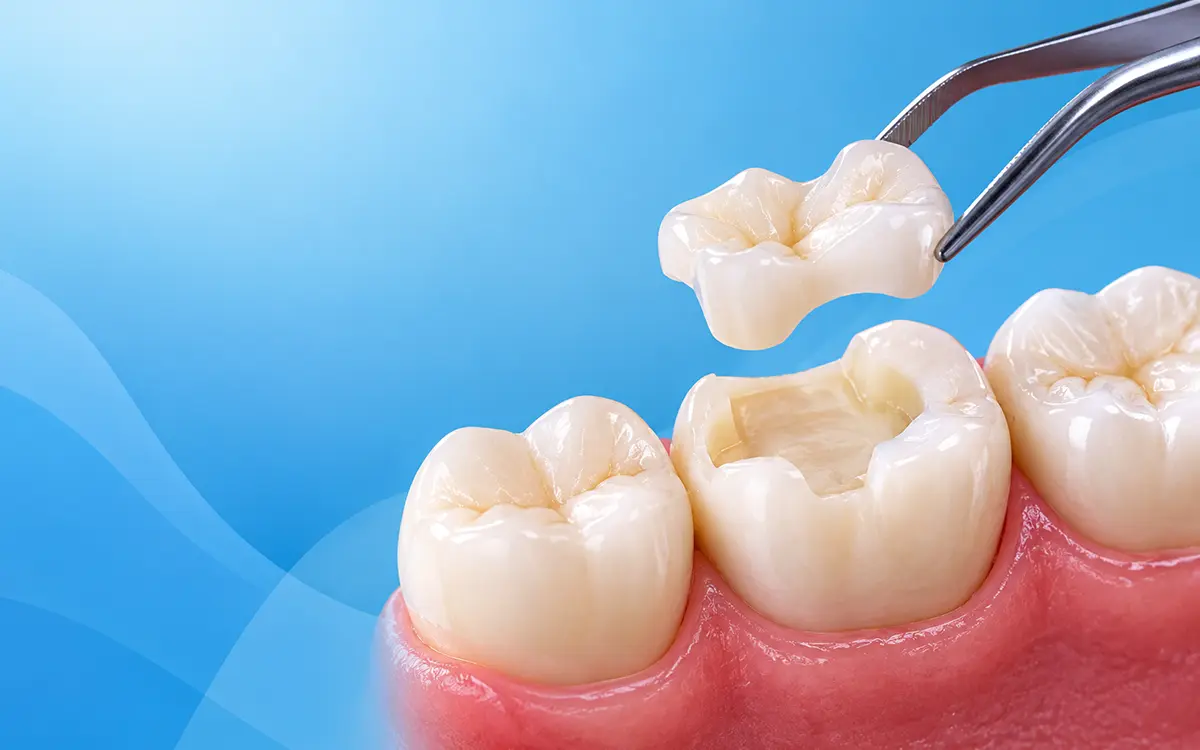
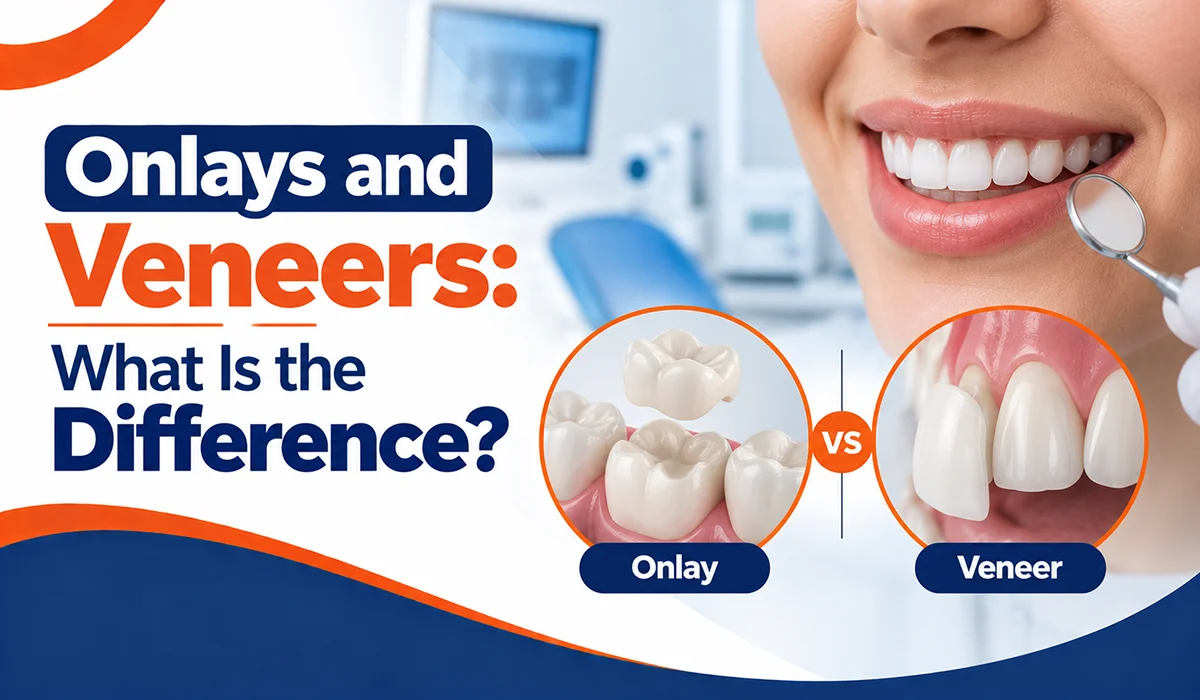
An onlay is a custom made restoration that covers part of the chewing surface of a tooth, including one or more of the raised points called cusps. Dentists use it when a tooth has too much decay or damage for a normal filling, but not enough to need a full crown. It is bonded directly onto the tooth.
Onlays are usually placed on back teeth, the molars and premolars, because these teeth handle most of your chewing. The material is often porcelain or a tooth coloured composite, so the repair blends in and is hard to notice.
Because an onlay only replaces the damaged part, your dentist can keep more of your healthy tooth compared with a full crown. That is one of the main reasons people choose it.
You might need an onlay if you have:
- A large cavity that a filling cannot hold well
- A cracked or worn back tooth
- An old filling that has broken down and needs replacing
- A weak tooth that still has healthy structure worth saving
What is a dental veneer?
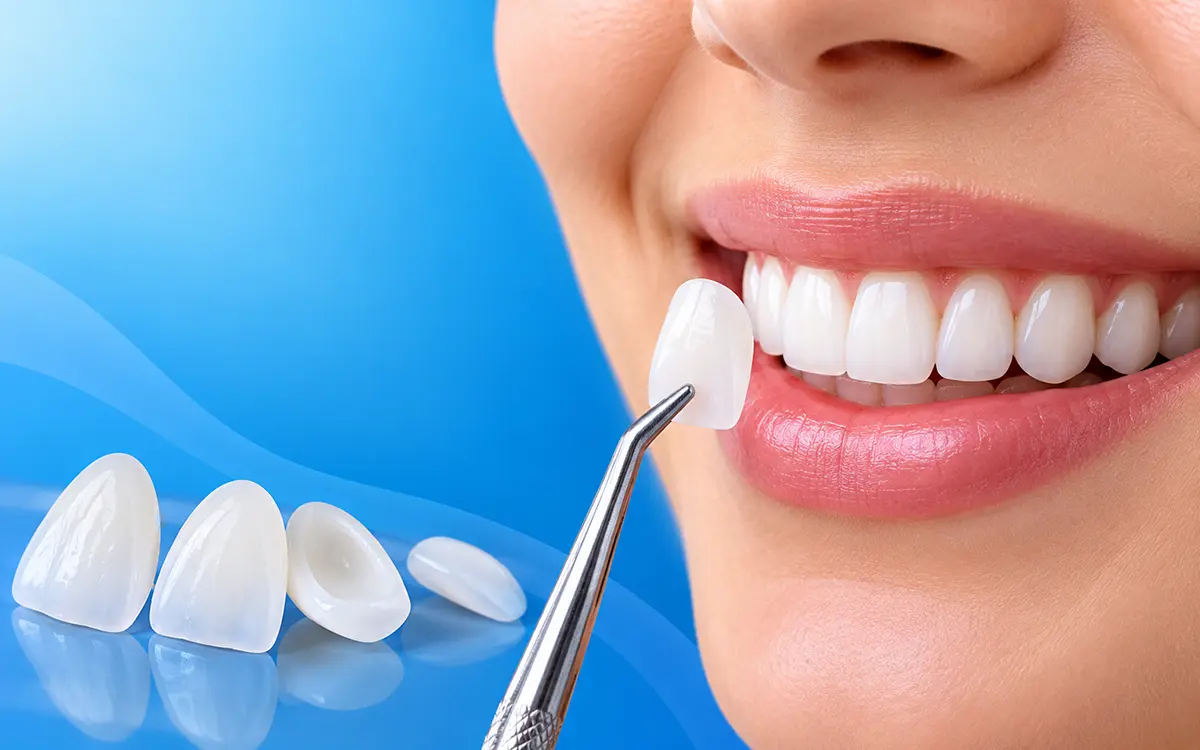
A veneer is a thin shell, usually porcelain or composite, bonded to the front of a tooth. Its job is cosmetic. It changes how a tooth looks without changing how you chew.
Dentists place veneers on the teeth that show when you smile, mostly the upper and lower front teeth. A veneer can cover stains that whitening cannot fix, reshape a tooth, close small gaps, or hide chips and minor flaws.
Porcelain veneers are known for looking natural because they reflect light in a way that is close to real enamel. Composite veneers cost less and can often be done in a single visit, but they usually do not last as long.
You might consider veneers if you want to improve:
- Deep stains or discolouration
- Small chips or worn edges
- Minor gaps between front teeth
- Teeth that are slightly uneven in shape or size
The main differences between onlays and veneers
| Onlay | Veneer | |
|---|---|---|
| Main purpose | Repair damage or decay | Improve appearance |
| Where it is used | Back teeth (chewing surface) | Front teeth (visible surface) |
| What it covers | Part of the top of the tooth, including cusps | The front face of the tooth |
| Type of treatment | Restorative | Cosmetic |
| Common materials | Porcelain, composite, sometimes gold | Porcelain, composite |
| Main benefit | Restores strength and chewing | Creates a more even, brighter smile |
The simplest way to remember it: an onlay brings a damaged tooth back to health, and a veneer makes a healthy tooth look better.
Which one is right for you?
The right choice depends on what your tooth needs, not on which treatment sounds nicer. If a back tooth is decayed or cracked and you want to chew comfortably again, an onlay is likely the answer. If your front teeth are healthy but you are unhappy with their colour or shape, veneers may suit you.
Some people need both, for different teeth and different reasons. A back molar might need an onlay to stay strong, while the front teeth get veneers for a more even smile. A proper dental exam is the only way to be sure. Your dentist will check the health of each tooth, take X-rays if needed, and talk through what will work for your situation and budget.
What to expect during treatment
Both treatments usually take two visits, though some clinics offer same day options using digital scanning and in house milling.
For an onlay, the dentist removes the decay or damaged part, takes an impression or digital scan, and fits the finished onlay at a later visit. It is then bonded firmly onto the tooth.
For a veneer, the dentist may remove a very thin layer of enamel so the veneer sits flush, takes a scan or impression, and bonds the shell to the front of the tooth once it is ready. Some minimal prep veneers need little or no enamel removal.
Both are done with local anaesthetic when needed, so the process stays comfortable.
How long do onlays and veneers last?
With good care, porcelain onlays often last 10 to 15 years or more. Porcelain veneers usually last around 10 to 15 years, while composite veneers may need replacing sooner, often within 5 to 7 years.
To help them last:
- Brush twice a day and floss daily
- Avoid biting hard objects like ice or pen caps
- Wear a night guard if you grind your teeth
- Keep up with regular dental checkups
What about the cost?
The cost of onlays and veneers depends on the material used, how many teeth are treated, and how complex the case is. Porcelain generally costs more than composite. The most accurate way to know your cost is a consultation, where the dentist can look at your teeth and give you a clear treatment plan and quote.
Frequently asked questions
Are onlays and veneers the same thing?
No. An onlay repairs a damaged or decayed tooth, usually at the back. A veneer improves the look of a front tooth. They serve different purposes.
Do onlays and veneers look natural?
Yes. Both are colour matched to your teeth. Porcelain in particular reflects light like natural enamel, so the results blend in well.
Is the procedure painful?
No. Local anaesthetic is used when needed, so you should not feel pain during treatment. Some mild sensitivity afterwards is normal and settles quickly.
Can I get veneers on my back teeth?
Veneers are made for the front, visible teeth. Back teeth that do heavy chewing are usually better restored with an onlay or crown, which are built to handle stronger forces.
How do I know which one I need?
A dental exam is the only reliable way. Your dentist will assess each tooth and recommend the option that protects your dental health and gives you the look you want.
Talk to a dentist in Memnagar, Ahmedabad
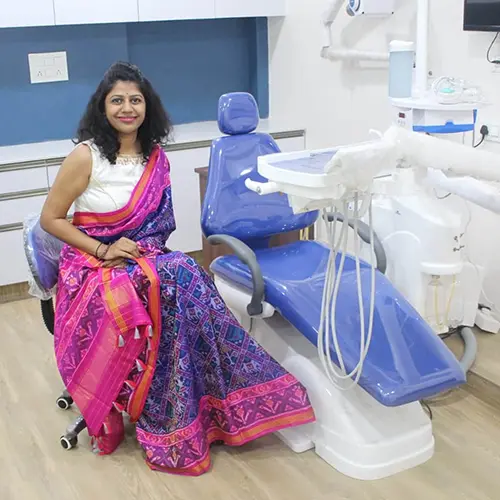
Choosing between an onlay and a veneer is easier with expert guidance. Dr. Urvi Patel at Ortho D Hospital in Memnagar, Ahmedabad can examine your teeth, explain your options in plain language, and plan treatment that fits your needs and budget.
Book a consultation at Ortho D Hospital to find out which option is right for your smile.
What Is a Complicated Fracture?
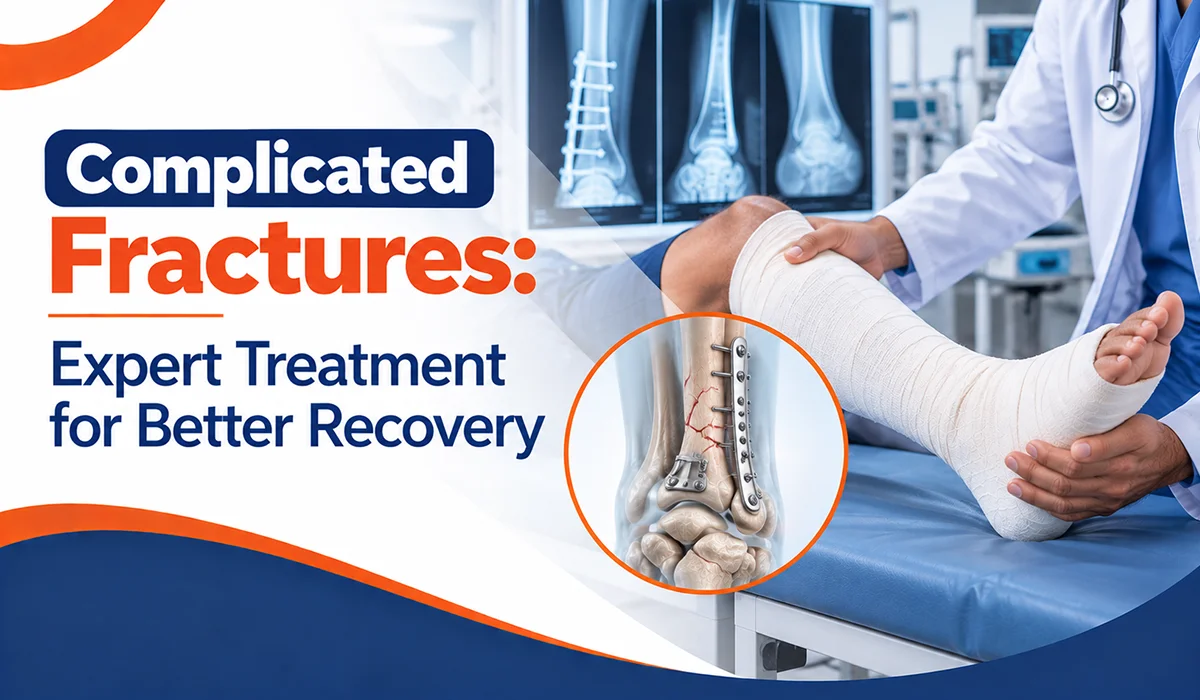
A complicated fracture is a severe bone injury that often requires surgical intervention. Unlike simple fractures, complicated fractures may involve:
Multiple broken bone fragments (comminuted fractures)
Open fractures where the bone pierces the skin
Fractures extending into the joint
Bone displacement or misalignment
Damage to muscles, ligaments, tendons, nerves, or blood vessels
These injuries are commonly caused by road traffic accidents, falls from significant heights, industrial accidents, or high-impact sports injuries.
Symptoms of Complicated Fractures
The symptoms can vary depending on the location and severity of the injury. Common signs include:
Severe pain at the injury site
Swelling and bruising
Visible deformity of the affected limb
Inability to move or bear weight
Bone protruding through the skin (in open fractures)
Numbness or weakness due to nerve injury
Excessive bleeding in severe cases
If you experience any of these symptoms after an injury, immediate medical attention is crucial.
Diagnosis
Accurate diagnosis helps determine the best treatment approach. Your orthopedic specialist may recommend:
Physical examination
Digital X-rays
CT Scan for complex fracture patterns
MRI to assess soft tissue injuries
Blood tests if surgery is required
Early evaluation reduces the risk of complications and improves healing outcomes.
Treatment Options
The treatment plan depends on the type, location, and severity of the fracture. Common treatment methods include:
Non-Surgical Treatment
Some stable fractures can be managed with:
Casts or splints
Pain management
Regular follow-up X-rays
Physiotherapy after healing
Surgical Treatment
Many complicated fractures require surgery to restore proper bone alignment. Surgical options include:
Internal fixation using plates and screws
Intramedullary nailing
External fixation devices
Joint reconstruction when necessary
The goal is to stabilize the bone, promote proper healing, and restore normal movement.
Recovery and Rehabilitation
Recovery varies depending on the patient's age, health, and the severity of the fracture. Rehabilitation is an essential part of treatment and may include:
Guided physiotherapy
Muscle strengthening exercises
Joint mobility training
Gradual return to daily activities
Regular follow-up appointments to monitor bone healing
Following your orthopedic surgeon's advice significantly improves recovery and reduces the risk of stiffness or long-term disability.
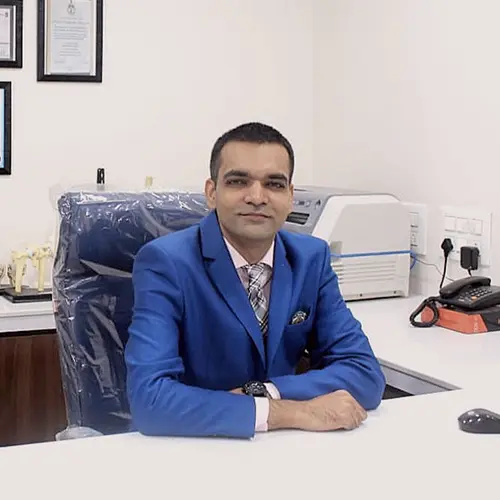
Why Choose Dr. Ruchir Patel?
Dr. Ruchir Patel is committed to providing advanced orthopedic care for patients with complicated fractures. Using modern diagnostic techniques, evidence-based surgical procedures, and personalized rehabilitation plans, he focuses on helping patients recover safely and regain their quality of life. Every treatment plan is tailored to the patient's specific injury and overall health, ensuring the best possible outcomes.
Schedule Your Consultation
If you or a loved one has suffered a complicated fracture, don't delay treatment. Early intervention can prevent complications and improve recovery. Consult Dr. Ruchir Patel for expert evaluation, comprehensive fracture management, and compassionate orthopedic care designed to help you return to an active and pain-free life.