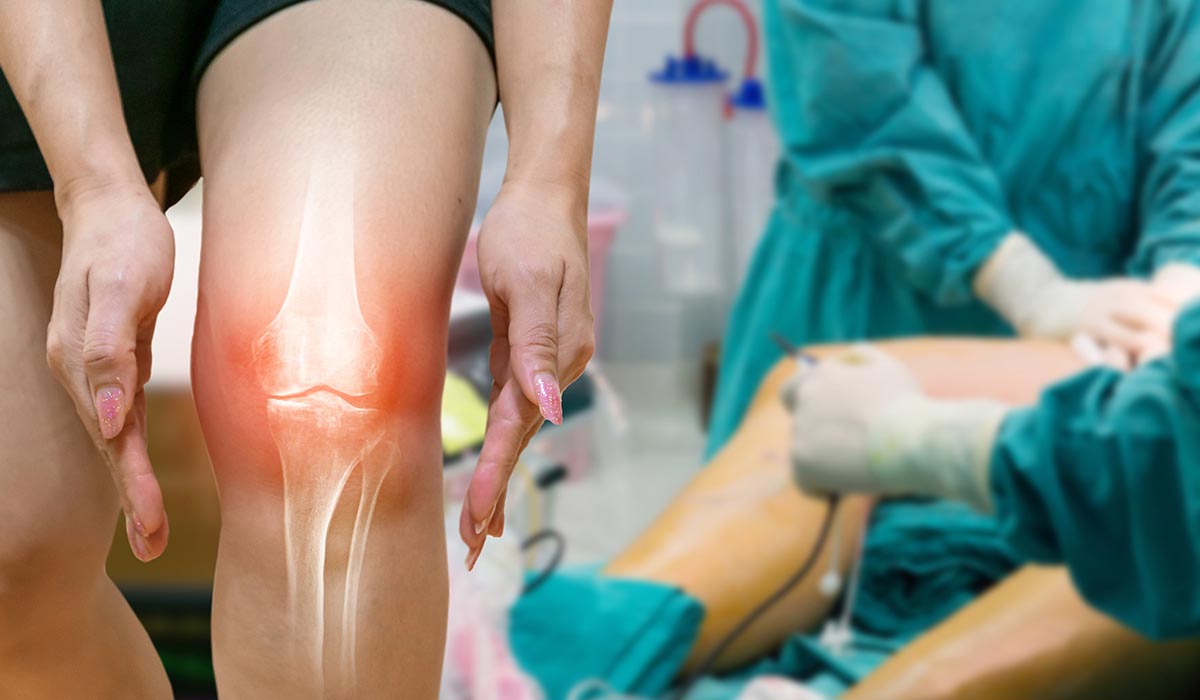
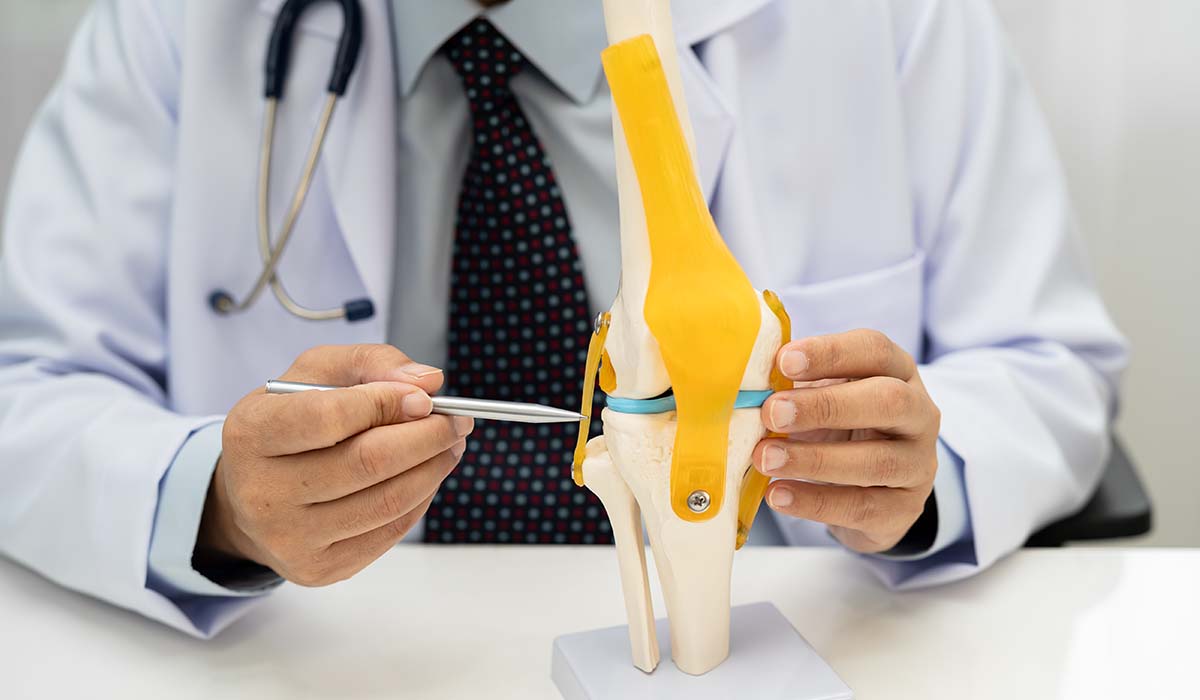
Are you looking for the Best Joint Replacement Surgeon Ahmedabad?

Find lasting relief from joint pain with expert joint replacement care in Ahmedabad. If constant knee, hip, or shoulder pain is limiting your daily life, choosing the right surgeon and hospital is the most important step toward regaining mobility and comfort.

Best joint replacement care in Ahmedabad

Joint replacement surgery is a highly specialized procedure that requires excellent surgical skill, precise planning and strong post-operative care to deliver long-term, pain-free movement. A good joint replacement surgeon does more than just “replace a joint” – the surgeon works to restore alignment, function and stability so that walking, climbing stairs and daily activities become easier and more natural again. When done correctly, knee or hip replacement can significantly reduce pain, improve flexibility and enhance quality of life for years.

Why choose Ortho D Hospital

If you are searching for the best joint replacement surgeon in Ahmedabad, Ortho D Hospital stands out as a dedicated centre for advanced orthopaedic care. The hospital focuses on joint problems such as arthritis, wear-and-tear damage, injuries and deformities that require expert evaluation and, when needed, joint replacement. A specialized orthopaedic hospital environment means operation theatres, equipment, nursing and rehabilitation services are all tailored to bone and joint care.

At Ortho D Hospital, patients can expect:

  • Dedicated orthopaedic operation theatres designed for sterile, safe joint replacement surgeries.
  • A team approach where surgeons, anaesthetists, nurses and physiotherapists work together for faster recovery.
  • Emphasis on patient comfort, detailed counseling and clear explanation of treatment options before surgery.

Dr. Ruchir Patel – your joint rment seplacepecialist

When it comes to joint replacement, surgeon experience and judgment make a major difference in outcome. Dr. Ruchir Patel is positioned as the key joint replacement surgeon at Ortho D Hospital, providing consultation and surgery for patients suffering from advanced joint problems. Patients seeking knee, hip or other joint replacement can consult with him to understand whether surgery is required, what type of implant is suitable and what kind of recovery can be expected.

Under the guidance of a skilled surgeon like Dr. Ruchir Patel, patients are more likely to receive:

  • Proper pre-surgery assessment including X-rays, medical history review and suitability for surgery.
  • The right choice of implant and surgical technique based on age, activity level and joint condition.
  • Systematic post-operative follow-up to monitor healing and guide physiotherapy.

Types of joint replacement surgeries offered

At Ortho D Hospital, you can seek treatment for most major joint replacement needs. While the exact offerings may vary, the focus typically includes:

  • Knee Replacement: For severe knee arthritis or damage causing pain, stiffness and difficulty walking.
  • Hip Replacement: For hip arthritis, fractures or deterioration that makes movement painful and unstable.
  • Other Joint Replacements: In selected cases, shoulder or other joints may also be considered where conservative treatment has failed.

In each case, the goal is to relieve pain, improve range of motion and allow patients to return to routine activities with more comfort and confidence.

Affordable treatment with quality care

Many patients delay joint replacement because they fear the costs or the complexity of surgery. A strong advantage of choosing a dedicated orthopaedic centre like Ortho D Hospital is the focus on delivering quality care at an affordable rate. Transparent discussions about treatment plans, cost estimates and hospital stay help families plan without unnecessary stress. When pain is reduced and mobility improves, patients often find the investment in surgery repays itself in independence and better quality of life.

When to consider joint replacement

You may want to consult a joint replacement specialist like Dr. Ruchir Patel if:

  • Joint pain persists despite medicines, physiotherapy or injections.
  • Everyday activities such as walking, climbing stairs, getting up from a chair or sitting cross-legged have become very difficult.
  • There is visible deformity, stiffness or grinding sensations in the joint.
  • Pain is affecting sleep, mood or ability to work and enjoy life.

An honest consultation can clarify whether joint replacement is needed now, later or if non-surgical options are still suitable.

What to expect during your visit

When you visit Ortho D Hospital for joint replacement consultation, the usual flow includes:

  • Clinical evaluation of your joint, walking pattern and range of motion.
  • Review of X-rays or advice to get new imaging if required.
  • Explanation of your condition, all available treatment options and likely outcomes.
  • Discussion of surgery details, hospital stay, recovery timeline and precautions.

This clear, step-by-step approach helps you and your family make an informed decision without confusion.

Take the first step towards pain-free movement

Don’t let joint pain control your life any longer. If you have been searching for the best joint replacement surgeon in Ahmedabad, your search can now end with a consultation at Ortho D Hospital with Dr. Ruchir Patel.

Call the hospital to book your appointment and discuss your knee, hip or other joint problems directly with a specialist. Bring your previous medical reports and X-rays, if available, so you can receive a focused, personalized treatment plan. Take the first step today toward walking, climbing and living more comfortably – visit Ortho D Hospital and move closer to a pain-free, active life.
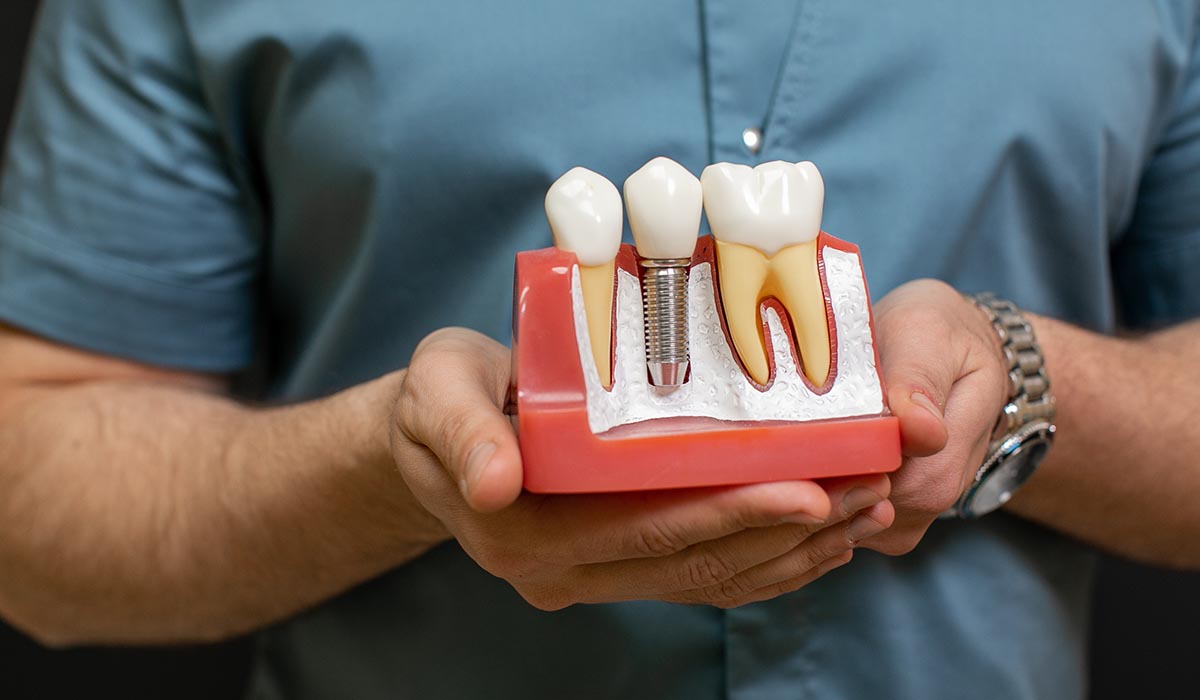

Restore Your Smile with Confidence: Choose a Trusted Dental Implant Surgeon in Sola, Ahmedabad

Losing a tooth affects far more than appearance – it impacts chewing, speech, confidence, and long-term oral health. Dental implants are widely considered the most natural, durable replacement for missing teeth, but their success depends heavily on the skill and hygiene standards of the clinic and surgeon.

Why Choosing the Right Implant Surgeon Matters

Dental implants require precise planning, surgical accuracy, and strict infection control because the implant integrates directly with the jawbone. If the procedure is done by an inexperienced or careless surgeon, it can lead to complications such as infection, implant failure, nerve damage, or bone loss. A trusted implant surgeon will assess your bone density, medical history, and bite, and then plan the implant angle, depth, and prosthetic design to ensure long-term stability and comfort.

Ortho D Hospital – A Reliable Choice Near Sola

Ortho D Hospital is a multi-specialty centre in Memnagar, Ahmedabad, offering both advanced orthopaedic and comprehensive dental care, including dental implants. The hospital is equipped with modern infrastructure, trained staff, and a strong focus on maintaining hygiene and patient safety, which is crucial for any surgical procedure, including implants. Its location at Nobles Trade Centre, near Bhuyangdev Cross Roads, makes it easily accessible from Sola, Memnagar, Ghatlodia, Naranpura, Thaltej, Science City and nearby areas.

Key Dental Services Offered

The dental wing at Ortho D Hospital provides a wide range of treatments that support both function and aesthetics:

  • Dental implants for replacing single or multiple missing teeth.
  • Smile design and cosmetic dentistry to improve the overall appearance of your teeth and smile.
  • Root canal treatments, crowns and bridges (including metal, ceramic and zirconia) to restore damaged teeth.
  • Wisdom tooth extraction, flap surgery, dentures, orthodontic treatment and paediatric dental care for complete family dentistry.

This combination of restorative, cosmetic, and surgical services helps ensure that your implant is integrated into a well-planned, healthy overall dental condition.

About Dr. Urvi Patel – Dental & Implant Specialist

The dental services at Ortho D Hospital are led by Dr. Urvi Patel, who is mentioned by patients as an experienced and skilled dental practitioner. She handles a spectrum of cases including routine dental issues, cosmetic smile enhancement and complex restorative work, making her well-positioned to manage both simple and multi-tooth implant cases. Patient testimonials on the hospital’s page highlight her friendly approach, clear communication about treatment, and satisfying treatment outcomes.

Strengths That Matter for Implant Patients

When evaluating an implant surgeon, some of the strengths that stand out at Ortho D Hospital include:

  • Advanced restorative skills: Experience with crowns, bridges, full-mouth rehabilitation and dentures helps in planning the final look and function of your implant, not just the surgery.
  • Integrated care setup: Being part of a hospital with strong surgical protocols and infection control adds an extra layer of safety during and after the procedure.
  • Patient-centric approach: Reviews emphasize personalized attention, clear explanation of procedures, and supportive staff, all of which reduce anxiety for surgical treatments like implants.

Why Hygiene and Technology Are Critical

Implant surgery must be performed in a clean, well-controlled environment to reduce the risk of infection and ensure proper healing. Ortho D Hospital is built with modern infrastructure and emphasizes cleanliness throughout the facility, supported by trained staff and established protocols. For implants, this means careful sterilization of instruments, proper chairside protocols, and post-operative guidance so the implant can integrate with bone without complications.

Benefits of a Modern, Multi-Specialty Setup

  • Access to diagnostic tools and medical evaluation when needed, especially useful for patients with diabetes, heart disease or other systemic conditions.
  • Availability of emergency care and clinical support in case any unexpected issue arises during recovery.
  • Comfortable, well-managed environment that makes longer or multi-visit treatments easier for patients and their families.

Who Can Benefit from Implants at Ortho D Hospital?

Residents of Sola, Memnagar, Ghatlodia, Science City, Naranpura, Thaltej and nearby areas looking for long-lasting tooth replacement have convenient access to the clinic. Dental implants can be considered if you:

  • Have one or more missing teeth and want a fixed solution rather than removable dentures.
  • Want to protect adjacent natural teeth from grinding down for a traditional bridge.
  • Desire a natural-looking smile with strong chewing ability and stability.

An in-person consultation allows the dentist to evaluate your bone support, gum condition and medical history to decide if implants are right for you.

How to Evaluate a Trusted Implant Surgeon

Before deciding, it is sensible to consider a few checkpoints:

  • Qualifications and specific training in restorative dentistry and implants.
  • Experience with single-tooth, multiple implant and full-mouth rehabilitation cases.
  • Clinic hygiene standards, sterilization protocols, and quality of materials used.
  • Whether the dentist provides clear explanations, realistic expectations and transparent cost estimates.
  • Patient feedback and testimonials about comfort, pain control and long-term results.

Ortho D Hospital and Dr. Urvi Patel align with many of these expectations, offering a blend of clinical expertise, supportive environment and comprehensive dental services.

Ortho D Hospital at a Glance

Aspect Details
Location Nobles Trade Centre, near Bhuyangdev Cross Roads, Memnagar, Ahmedabad.
Key Dental Services Implants, smile design, RCT, crowns & bridges, wisdom tooth extraction, dentures, orthodontics, paediatric care.
Lead Dental Doctor Dr. Urvi Patel – experienced in dental and cosmetic treatments.
Other Specialties Joint replacement, trauma, spine, arthroscopic and other orthopaedic surgeries.
Patient Feedback Positive reviews highlighting doctor expertise, hygiene, reasonable charges and friendly staff.

Book Your Dental Implant Consultation Today

If you are missing a tooth and want a strong, natural-looking replacement, scheduling a consultation is the safest first step. During your visit, you can discuss your concerns, understand the implant process, treatment duration, and estimated cost, and get a personalized plan.

You can also call the hospital’s main contact number listed on the website to book an appointment with Dr. Urvi Patel and take the first step towards restoring your smile with a trusted dental implant surgeon near Sola, Ahmedabad.

Knee Replacement – Is It the Only Solution for Knee Arthritis?

A Detailed Guide You Must Read Before Taking Any Decision

Knee pain is among the most common health complaints across the world, especially as we age. One of the key reasons behind persistent knee pain is knee arthritis, also known as osteoarthritis. Many patients fear that once arthritis begins, their only future is surgery — specifically Total Knee Replacement (TKR). But is knee replacement the only solution for knee arthritis? The answer is NO.

While knee replacement is a highly successful and proven procedure, it is not the first or only line of treatment. Many patients can control knee pain, improve mobility, and delay (or sometimes avoid) surgery with timely non-surgical treatments. Understanding your stage of arthritis and knowing the available treatment options can help you make an informed, confident decision about your knee health.

What Exactly is Knee Arthritis?

Knee arthritis is a degenerative condition where the cartilage in the knee joint gradually wears away. Cartilage works like a shock absorber—smooth, soft, and protective. When it reduces, bones start rubbing against each other, causing pain, stiffness, difficulty in walking, and eventually affecting daily lifestyle.

Common symptoms include:

✔ Pain during walking or climbing stairs
✔ Stiffness, particularly after rest
✔ Swelling around the knee
✔ Difficulty squatting or sitting cross-legged
✔ Crunching or cracking sounds in the knee

Arthritis progresses slowly, often over many years. Early diagnosis is the key to controlling damage and avoiding severe deterioration.

Is Knee Replacement the Only Option? Absolutely Not.

Knee replacement is typically recommended only when other treatments fail and pain becomes unbearable. For many, especially those in the early to moderate stages, arthritis management without surgery is highly possible and effective.

Below are various treatment options based on the stage of knee arthritis.

Stage 1 & 2: Early Knee Arthritis – Mostly Non-Surgical Management

If arthritis is diagnosed early, it can be controlled without surgery using the following methods:

1. Lifestyle Modification & Activity Management

Simple day-to-day changes can reduce load on the knee joint:

  • Avoid high-impact activities (running, jumping)

  • Use knee support while walking

  • Switch to low-impact exercises like cycling, swimming, brisk walking

Weight management also plays a major role. Even 1 kg weight loss reduces nearly 4 kg stress on each knee joint.

2. Physiotherapy & Muscle Strengthening

Physiotherapy is one of the most effective non-surgical treatments. Strengthening thigh (quadriceps), hamstring, and calf muscles improves joint support and reduces pain.

A supervised physio plan may include:

• Range-of-motion exercises
• Strength training
• Balance and flexibility training
• Heat/ice therapy for pain relief

Regular physiotherapy can delay arthritis progression and improve daily mobility significantly.

3. Medications & Supplements

Pain and inflammation can be managed with:

  • Anti-inflammatory medicines (as per doctor’s advice)

  • Supplements like Glucosamine, Chondroitin, and Vitamin D

  • Topical gels and pain-relief sprays

These do not cure arthritis but help control symptoms and improve movement.

4. Intra-Articular Injections (Non-Surgical but Highly Effective)

When pain is not relieved by medications alone, injections inside the knee joint can help. These include:

Corticosteroid Injections

Useful for short-term pain relief and inflammation control.

Hyaluronic Acid (Viscosupplementation)

Acts like artificial lubrication in the joint, improving smooth movement.

Platelet-Rich Plasma (PRP) Therapy

Uses the patient’s own blood platelets to promote tissue healing and slow degeneration.

Stem Cell / Regenerative Therapy

Emerging treatment showing promise in cartilage repair and long-term pain reduction.

Many patients experience excellent pain relief and improved mobility through injections, delaying surgery for years.

Stage 3: Moderate to Severe Arthritis – When Combination Treatment is Needed

When arthritis is advanced, joint space narrows, bones rub together, and pain becomes constant. Even then, surgery isn’t the immediate only solution.

A combination of:

✔ Physiotherapy
✔ Injections
✔ Weight control
✔ Pain medications
✔ Assistive devices (walking stick, knee brace)

can give good relief and maintain mobility for a long time.

But when these are no longer effective…

Stage 4 Advanced Arthritis – Knee Replacement Becomes a Strong Option

If a patient reaches the point where:

  • Pain persists even during rest

  • Walking becomes extremely difficult

  • Sleep is disturbed due to knee pain

  • Joint deformity occurs (bowing of knees)

  • Quality of life reduces drastically

Total Knee Replacement (TKR) is often considered the most reliable and permanent solution.

Why Knee Replacement is a Successful Procedure

Knee replacement surgery replaces damaged joint surfaces with artificial components, allowing smooth movement without friction. Modern implants are highly durable and can last 15–25+ years depending on usage and lifestyle.

Benefits include:

✨ Major pain reduction or complete pain relief
✨ Improved walking ability
✨ Better joint movement and flexibility
✨ Ability to return to normal day-to-day activities
✨ Enhanced quality of life

When done at the right time and by an expert, it offers excellent long-term outcomes.

So, What Should You Choose?

The right treatment depends on your stage of arthritis, symptoms, lifestyle needs, and X-ray findings.

Condition Suitable Treatment
Early arthritis Physiotherapy, lifestyle changes, injections
Moderate arthritis Combined approach: physio + medications + injections
Severe arthritis with functional limitation Knee Replacement becomes the most effective solution

Final Conclusion

Knee Replacement is not the only treatment for knee arthritis.
Early stages can be treated and controlled non-surgically. But in advanced stages where pain affects daily life, knee replacement can provide long-lasting relief and restore mobility. The key is timely diagnosis and appropriate intervention.

Take the First Step Toward Pain-Free Movement

If knee pain is affecting your routine, sleep, or mobility — don’t ignore it. Early management can save your joint and delay surgery.

Book an expert consultation today.
Get your knee condition evaluated and receive a personalized treatment plan tailored to your arthritis stage.

👉 Call Now: [Add Contact Number]
👉 Book Appointment: [Add Website Link or WhatsApp]

Live pain-free. Walk freely. Stay active — without limits.
Your knees deserve the right care at the right time.

What Are the Indications for Revision Joint Replacement Surgeries?

Joint replacement surgery, such as Total Hip Replacement (THR) and Total Knee Replacement (TKR), has become a routine procedure worldwide, offering relief to patients suffering from severe arthritis, joint trauma, or degenerative joint diseases. These surgeries significantly improve a patient’s quality of life by reducing pain, improving mobility, and restoring joint function. However, in some cases, a previously successful joint replacement may fail over time, necessitating a Revision Joint Replacement Surgery.

Revision joint replacement is a complex surgical procedure where an existing prosthesis (artificial joint implant) is replaced due to failure, complications, or other medical reasons. Unlike primary joint replacement surgery, which focuses on replacing a damaged joint, revision surgery addresses problems related to the previous implant, bone, and surrounding tissues.

Understanding the indications for revision joint replacement surgery is essential for patients, caregivers, and healthcare professionals to ensure timely and appropriate intervention. Below, we explore in detail the various medical reasons that necessitate revision joint replacement surgery.

1. Periprosthetic Joint Infection (PJI) – The Most Common Indication

What is Periprosthetic Joint Infection?

A Periprosthetic Joint Infection (PJI) occurs when bacteria infect the area around the artificial joint. It is regarded as the most common and serious reason for revision joint replacement surgery. Infections can be classified based on their time of onset:

  • Early infections – Occur within weeks after the primary surgery.
  • Delayed infections – Occur months or years after the initial procedure.
  • Late infections – Result from hematogenous spread, where bacteria from another infection site (e.g., urinary tract infection) reach the implant.

How Does Infection Cause Implant Failure?

Bacteria form biofilms around the prosthetic surface, making them resistant to antibiotics and the body’s immune defenses. This leads to:

  • Persistent inflammation
  • Severe pain
  • Implant loosening
  • Loss of joint function

If untreated, the infection can spread to surrounding bones and tissues, significantly worsening the patient’s condition.

Clinical Symptoms

  • Swelling and redness around the joint
  • Increased warmth
  • Persistent joint pain
  • Fever
  • Drainage of pus from the surgical site in some cases

Diagnosis of Infection

  • Blood tests: Elevated Erythrocyte Sedimentation Rate (ESR) and C-Reactive Protein (CRP) levels indicate inflammation.
  • Joint aspiration and culture: Helps detect and identify bacteria responsible for infection.
  • Imaging studies: X-rays, MRI, or nuclear scans help visualize implant loosening or bone destruction.

Treatment Protocol

Most cases of PJI require a two-stage revision approach:

  • Stage 1:
    – Removal of the infected prosthesis
    – Thorough debridement (removal of infected tissue)
    – Placement of an antibiotic-impregnated spacer to maintain joint space and deliver high local antibiotic concentration
  • Stage 2:
    – After 6–12 weeks and confirmation of infection eradication, a new prosthesis is implanted.

In selected cases, a single-stage revision surgery is possible when the infection is detected early and the patient is fit, which reduces hospital stay and overall cost.

2. Aseptic Loosening of Implants

What is Aseptic Loosening?

Aseptic loosening is defined as the gradual failure of the bond between the implant and the surrounding bone without the presence of infection. It is the second most common cause of revision joint replacement surgeries.

Why Does Aseptic Loosening Occur?

Several factors contribute to aseptic loosening:

  • Osteoporosis: Reduced bone density weakens the bone-implant interface, leading to gradual loosening.
  • Insufficient Cement Mantle: In cases where the prosthesis is fixed with bone cement, poor cement technique or insufficient coverage can result in poor fixation.
  • Inappropriate Implant Size or Design: A prosthesis that is too small, too large, or improperly designed can cause abnormal joint biomechanics, accelerating loosening.
  • Wear Particle Induced Osteolysis: Microscopic particles shed from polyethylene or metal components stimulate an inflammatory response, which activates osteoclasts (bone-resorbing cells), leading to bone loss around the implant.

Symptoms

  • Chronic joint pain
  • Joint instability
  • Decreased range of motion
  • Difficulty bearing weight on the affected limb

Diagnosis

  • X-rays: Show radiolucent lines between the implant and bone, implant migration, or bone loss.
  • Bone Scans: Detect areas of increased metabolic activity, indicating loosening or bone remodeling.

Treatment Approach

  • Removal of the loose prosthesis
  • Bone grafting (if necessary) to restore bone stock
  • Insertion of a new implant, often using a long-stemmed design or specialized modular implants that offer better fixation and load distribution.

3. Periprosthetic Fractures

What Are Periprosthetic Fractures?

A periprosthetic fracture is a break in the bone surrounding an existing prosthesis. These fractures occur either due to trauma (e.g., a fall) or weakening of bone over time, especially in osteoporotic patients.

Why Is Revision Necessary?

  • A periprosthetic fracture can destabilize the implant, resulting in pain, deformity, and loss of function.
  • In some cases, simple fracture fixation is insufficient due to poor bone quality or implant instability, necessitating a full revision surgery.

Common Locations

  • Femur (around hip prosthesis)
  • Tibia or femur (around knee prosthesis)

Diagnosis

  • X-rays showing fracture lines around the implant
  • CT scans for detailed assessment of bone defects and fracture pattern

Treatment Approach

  • Stable Implant + Minor Fracture → Fracture fixation using plates and screws.
  • Unstable Implant or Severe Fracture → Removal of the old prosthesis and replacement with a longer-stemmed revision implant that bridges the fracture.
  • In cases of massive bone loss, structural allografts (bone from a donor) or specialized implant designs are used.

4. Implant Malposition and Joint Instability

Causes of Malposition

  • Technical errors during the initial surgery
  • Postoperative implant migration over time
  • Inadequate soft tissue balancing

Symptoms

  • Joint instability (clicking or sensation of the joint giving way)
  • Limb length discrepancy
  • Abnormal gait pattern
  • Persistent pain

Treatment Approach

  • Removal of malpositioned implant
  • Accurate placement of a new prosthesis with correct alignment
  • Soft tissue reconstruction when necessary (e.g., ligament repair).

5. Mechanical Wear and Implant Failure

Why Does Mechanical Wear Occur?

Artificial joint components are subject to mechanical wear over time due to repeated friction during movement. This leads to:

  • Wear of polyethylene liners
  • Metal corrosion
  • Microparticle shedding

These wear particles cause chronic inflammation, osteolysis, and loosening of the implant.

Symptoms

  • Progressive joint pain
  • Decreased function
  • Swelling or warmth in the joint

Treatment Approach

  • Removal of worn components
  • Replacement with advanced implants made of highly cross-linked polyethylene, ceramic materials, or cobalt-chromium alloys designed to minimize wear.

6. Severe Bone Loss (Bone Deficiency)

What Causes Bone Loss?

  • Long-standing implant failure
  • Osteolysis from wear particles
  • Infection
  • Trauma

Why Is Bone Loss a Concern?

Significant bone loss compromises implant stability and may prevent adequate fixation of a new prosthesis.

Treatment Approach

  • Bone grafting (autograft or allograft) to restore bone stock.
  • Use of modular or custom implants with longer stems to provide enhanced fixation.
  • Specialized implants with porous surfaces to encourage bone ingrowth.

7. Allergic Reactions to Implant Materials

Although rare, some patients develop allergic reactions to the metals used in implants (e.g., nickel, cobalt, chromium). This causes:

  • Chronic joint pain
  • Skin rashes
  • Localized swelling
  • Persistent inflammation

Treatment Approach

  • Removal of the allergenic implant
  • Replacement with hypoallergenic implants made of titanium or ceramic materials, which are biocompatible and less likely to cause allergic reactions.

Challenges of Revision Joint Replacement Surgery

Revision joint replacement is inherently more complicated than primary replacement due to:

  • Extensive scar tissue and poor bone stock
  • Higher risk of infection
  • Increased operative time and blood loss
  • Need for specialized implants and surgical techniques

However, modern advancements such as robotic-assisted surgery, 3D preoperative planning, and patient-specific implants have significantly improved outcomes and reduced complications.

Postoperative Care and Recovery

After revision surgery, patients require:

  • Close monitoring for early signs of infection or implant failure.
  • Pain management protocols tailored to individual needs.
  • Physiotherapy to help restore joint function gradually.
  • Nutritional support, particularly calcium and vitamin D, to promote bone healing.
  • Regular follow-up visits with imaging studies to ensure proper implant positioning and stability.

Our experienced team at ORTHO D HOSPITAL offers a customized postoperative rehabilitation plan to help patients recover as quickly and safely as possible, returning them to a functional and pain-free life.

Conclusion

Revision joint replacement surgeries play a critical role in restoring joint function and improving quality of life when a previous joint replacement fails due to:

  • Periprosthetic joint infection
  • Aseptic loosening
  • Periprosthetic fractures
  • Implant malposition or instability
  • Mechanical wear and implant failure
  • Bone loss
  • Allergic reactions to implant materials

These surgeries require advanced planning, specialized implants, and an experienced surgical team. At ORTHO D HOSPITAL, we provide comprehensive care for NRI and international patients seeking high-quality revision joint replacement solutions in India.

Our mission is to offer advanced surgical solutions, compassionate care, and long-term functional restoration for patients facing joint replacement failure.

Are You an NRI Looking for the Best Knee Replacement Surgery in Ahmedabad, India?

If you’re an NRI and feeling confused or uncertain about where to get the most reliable and advanced knee replacement surgery in Ahmedabad, you’ve come to the right place.

At ORTHO D HOSPITAL, we specialize in providing comprehensive care and world-class orthopedic solutions specifically designed for NRI patients. Whether it’s a total knee replacement, partial knee replacement, or a revision joint surgery, our expert team of orthopedic surgeons ensures safe, effective, and patient-friendly treatment.

Why Choose ORTHO D HOSPITAL for Knee Replacement?

Expertise in Joint Replacement Surgeries

Our highly experienced team of orthopedic surgeons has performed hundreds of successful joint replacement procedures, including complex and revision cases.

NRI-Friendly Infrastructure

We offer deluxe rooms, personalized attention, and round-the-clock care. From diet plans that suit your home country preferences to hygienic and spacious facilities – we make sure you feel at home.

Advanced Technology and Surgical Methods

Our minimally invasive and robotic-assisted techniques ensure faster recovery, less pain, and improved mobility.

24×7 Support & International Patient Care

We provide seamless coordination for airport pickups, pre-surgery counseling, medical visas, post-surgical rehabilitation, and online follow-ups after returning to your home country.

Affordable & Transparent Costs

India is globally recognized for affordable medical treatment without compromising on quality – and ORTHO D HOSPITAL follows this principle with complete transparency.

Common Conditions We Treat for NRIs:

Osteoarthritis & Rheumatoid Arthritis of the Knee

  • Post-traumatic Joint Damage
  • Failed Previous Knee Surgery (Revision TKR)
  • Chronic Joint Pain & Deformities

If you’re an NRI planning to undergo knee replacement surgery in India, ORTHO D HOSPITAL in Ahmedabad is your best choice for trusted care, modern facilities, and expert guidance.

👉 Book a Consultation Today

Contact our international patient helpdesk for a free tele-consultation or second opinion.

ORTHO D HOSPITAL – Your Trusted Partner in Orthopedic Excellence.